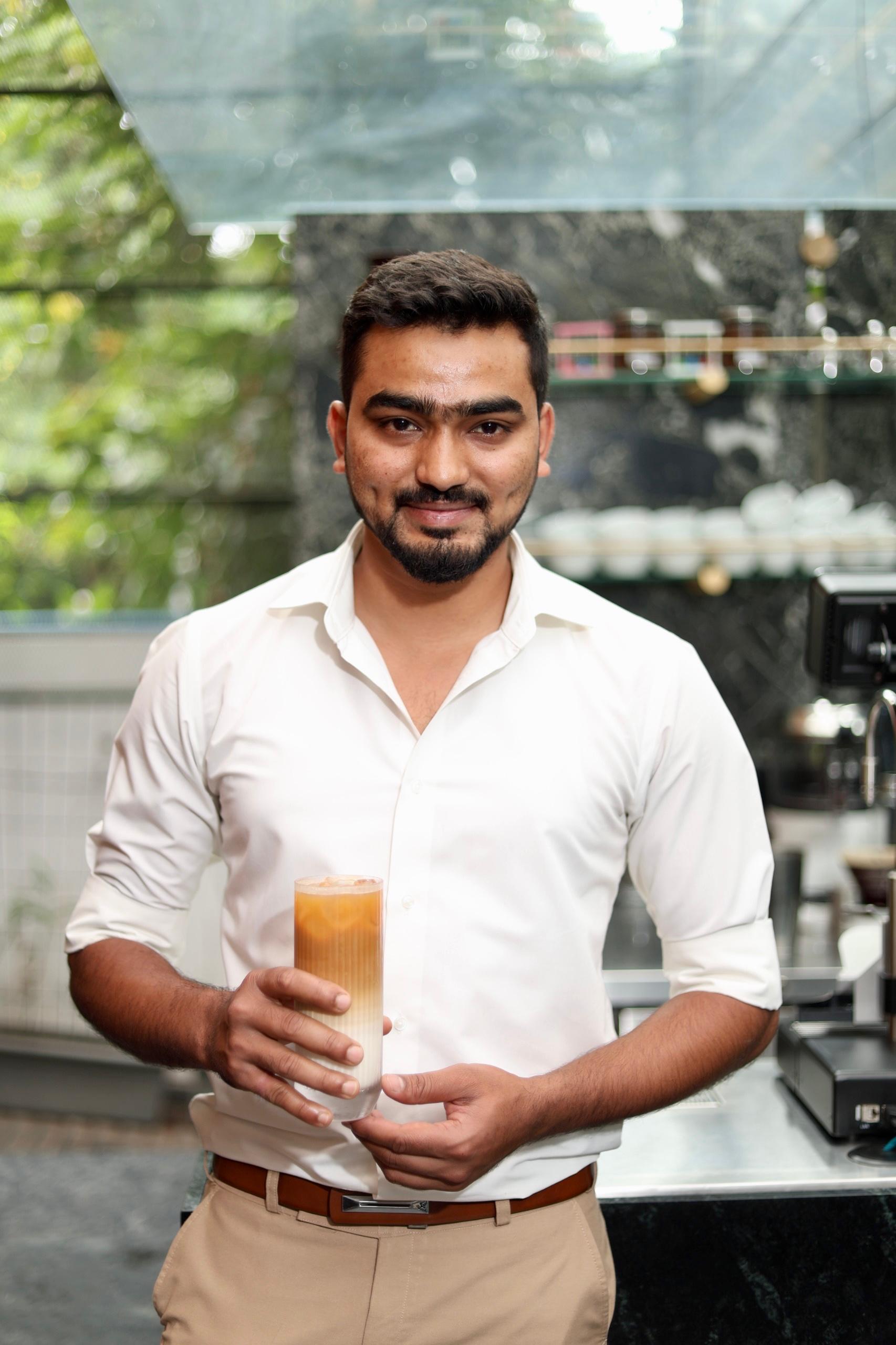
- Name – Soudh Ibrahim
- Instagram – soudh_ibrahim
- Favorite non-alcoholic drink – Coffee. Always. Less a beverage and more a way of life by now.
- Go-to coffee style – A strong South Indian filter coffee or a Cortado to start the morning. When the temperature rises, it is cold brew or an iced pour-over. The choice changes with the weather, almost like picking an outfit for the day.
- Industry experience – 10 years professionally, although the relationship with coffee began much earlier: growing up in the land of coffee.
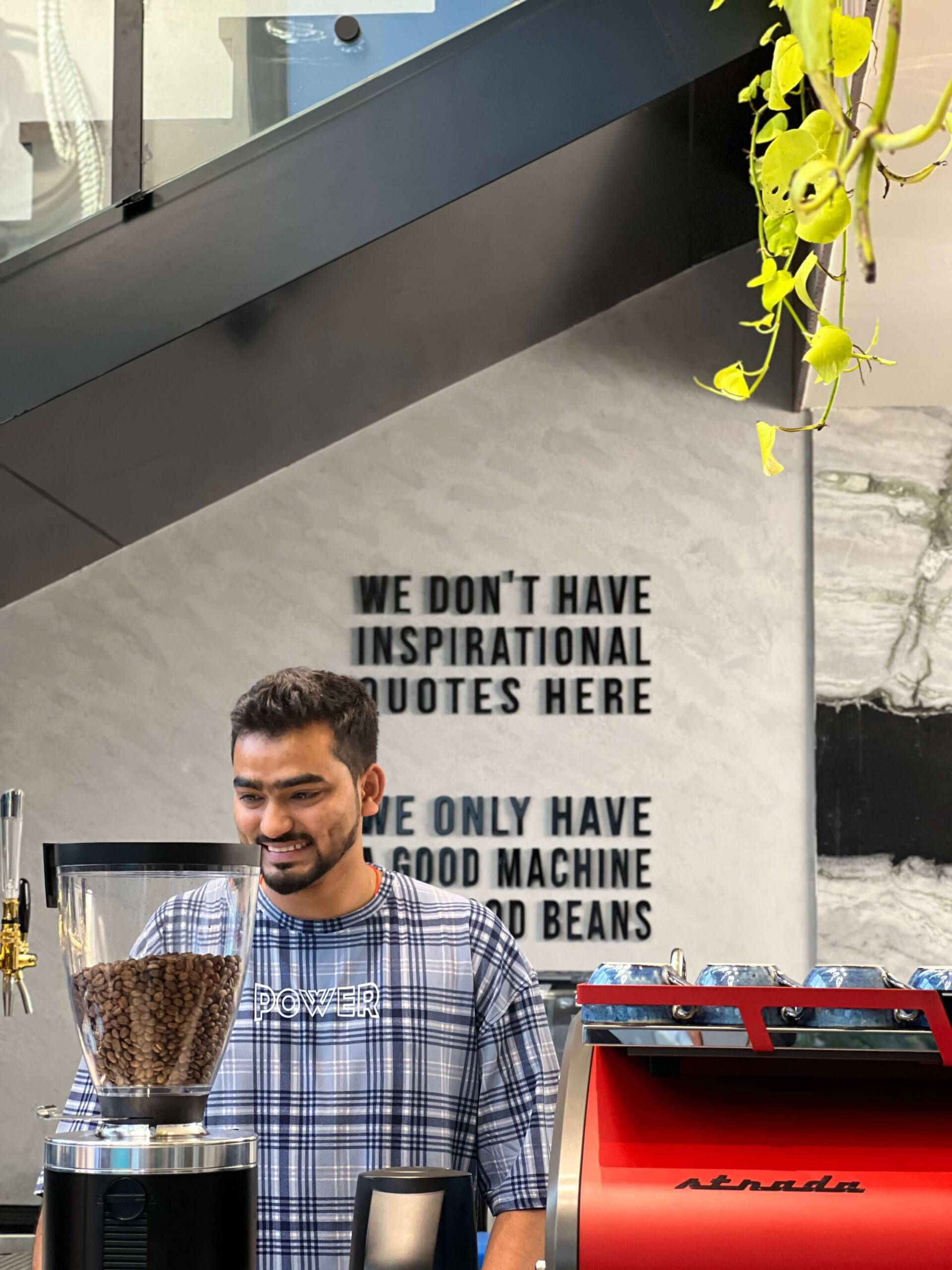
Soudh Ibrahim calls himself an “accidental barista”. He was 17 when he lost his father and, with the need to earn, went on to study hotel management. His institute was associated with Café Coffee Day, where a year-long internship was part of earning his certification. It was during this internship that he began brewing coffee and, somewhere between learning the job and serving cup after cup, fell in love with it.
It wasn’t only the coffee that kept him interested. Soudh enjoyed talking to customers, understanding their preferences and customising their drinks. “Being a barista, you have to be a people person,” he says. What began as a practical decision gradually became a craft he wanted to understand better.
The move into training brought another realisation: being a good barista and teaching someone to become one are two different skills. As a trainer, Soudh had to understand where people struggled and adapt his approach accordingly. Communication, patience and observation became as important as technical knowledge, while staying abreast of equipment, technology and brewing practices remained essential.
Beyond the coffee menu
Consulting widened his view of the café business. One problem appears repeatedly: consultants are often brought in too late. “Most places add a consultant at the end. They think we just make beverages, create a menu and train the staff,” he says.
For Soudh, a coffee programme begins much earlier. A poorly designed bar can have a barista moving between multiple stations for a single beverage, affecting speed and consistency. Then there are the people, his advice is simply to “invest in good people”, followed by a menu that understands both the café and its locality.
There is little sense, he explains, in adding avocado toast simply because it is fashionable if the local customer wants chai and samosa. Food pairing matters too, as does having systems that make quality repeatable. “Without systems, you cannot sustain.”
When competition changes the cup
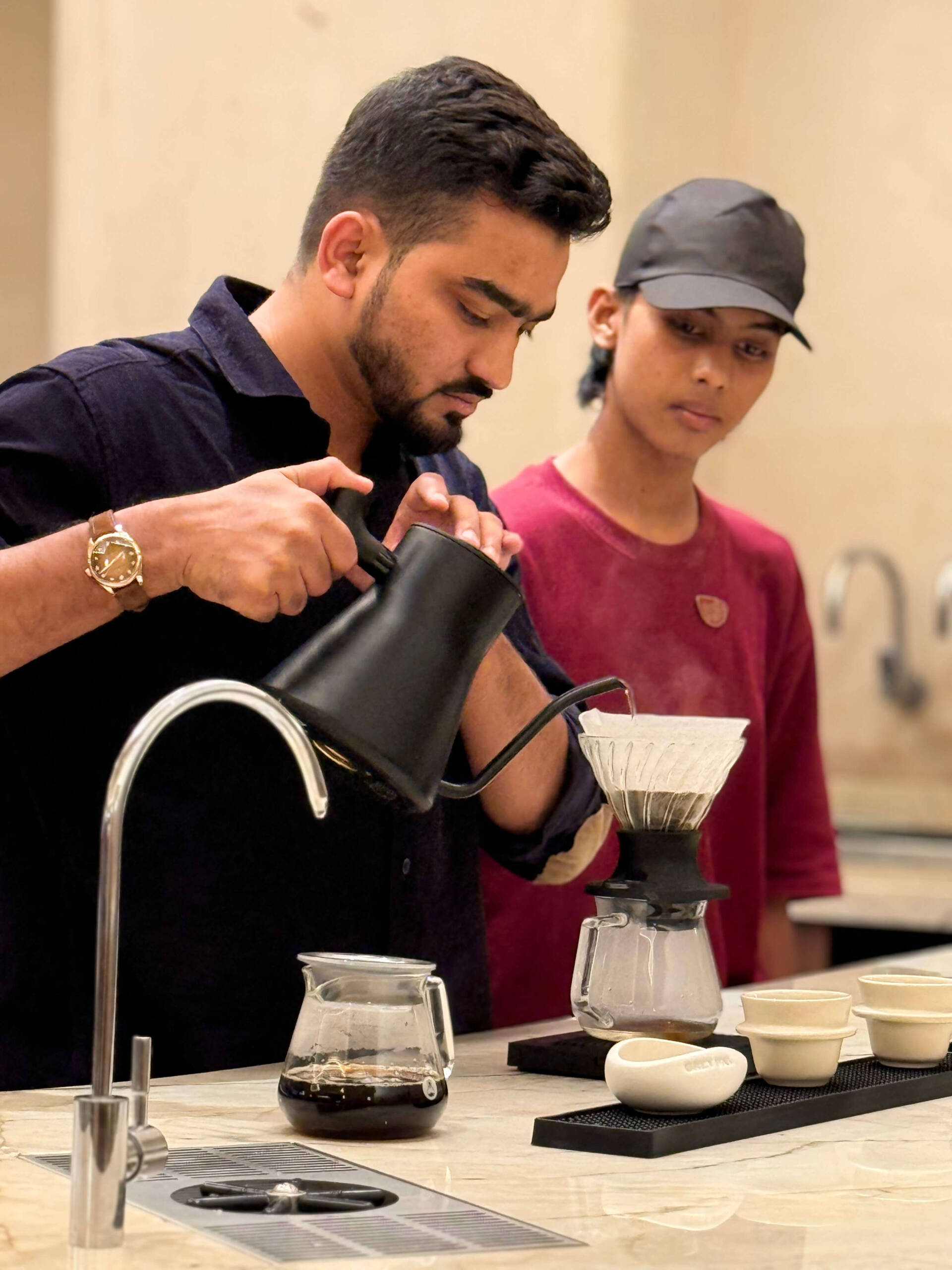
Competitions changed the way Soudh approached coffee. Earlier, the focus was on making a good cup; competing made him ask why it tasted the way it did. Extraction, temperature, grind size, brewing and presentation suddenly demanded closer attention, and every decision needed a reason behind it.
Competition also taught him discipline. Having experienced the circuit both as a competitor and judge, his advice to young baristas is practical: understand the score sheet, prepare around the judging parameters and trust that preparation. “Don’t change your recipe on the day of the competition. Just do what you practised.”
His biggest lesson, however, goes beyond scores. “Competing is not really about competing against someone. It’s about competing against your own version, your yesterday.” There will always be someone more experienced or technically stronger, but being around them creates opportunities to observe, learn and improve.
The circuit taught Soudh to accept mistakes, analyse them and return stronger. It also gave his career greater visibility. Previously known as a barista, brewer and consultant, competing and winning helped him build an identity of his own within the coffee community.
Teaching the first cup and refining the hundredth
Training newcomers and experienced baristas requires two very different approaches. Beginners get what Soudh jokingly calls “boot camp, but with coffee”: punctuality, discipline, cleanliness and hygiene first, followed by the crop-to-cup journey, brewing fundamentals, customer service, the café’s menu and food pairing.
With experienced baristas, “it’s less hand-holding and more nudging”. Soudh identifies gaps, refreshes technical knowledge and sometimes helps them unlearn habits picked up over the years. Equipment and recipes can be refined, but teamwork remains non-negotiable. “You can be a coffee genius or a great brewer, but you can’t survive if you don’t gel with your crew.”
Building what comes next
After a decade in the industry, Soudh’s ambition is simple: get more people to fall in love with good coffee. He hopes to build a stronger coffee community, establish a training school and, someday, have a small café of his own.
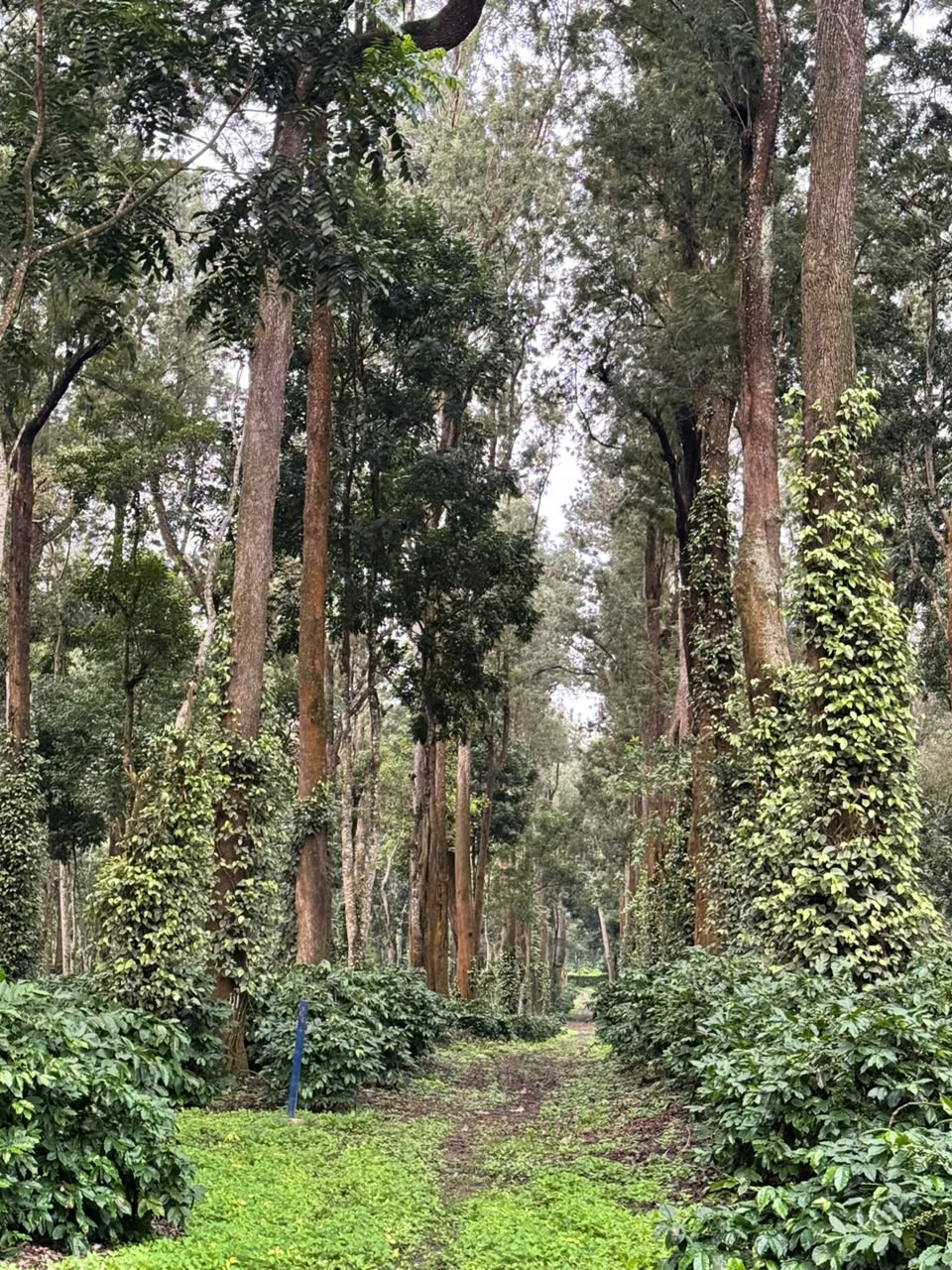
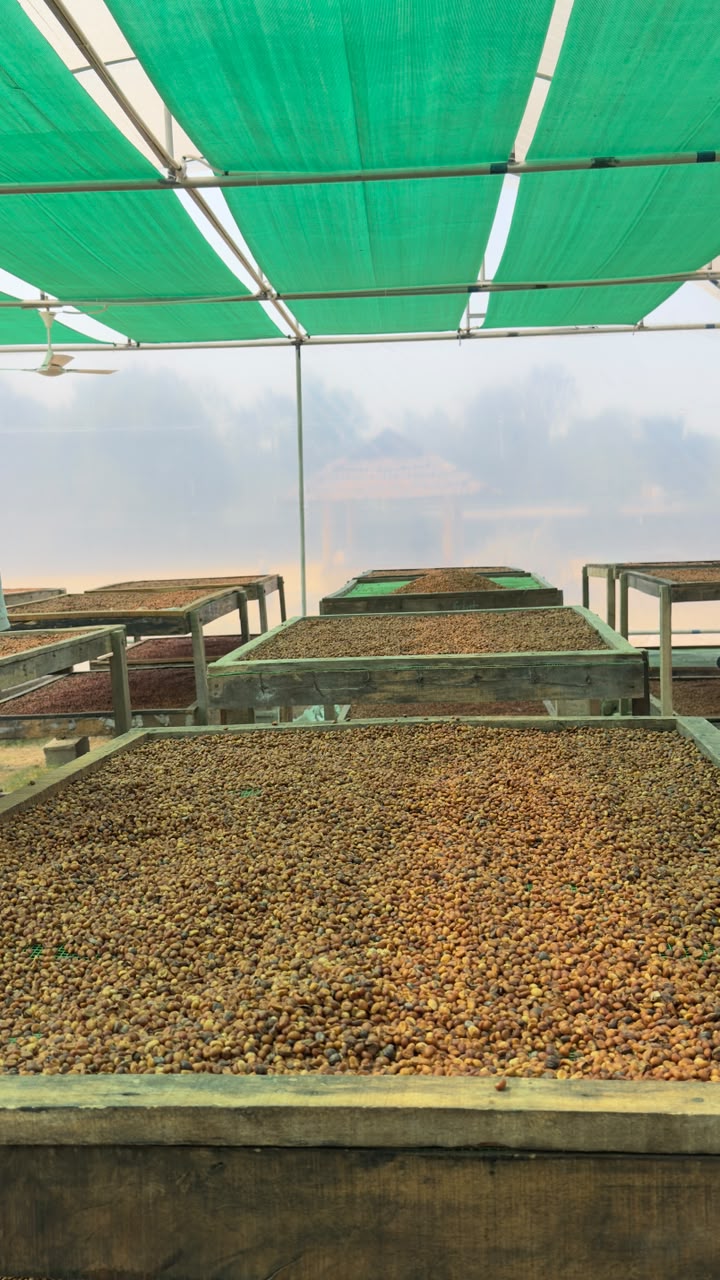
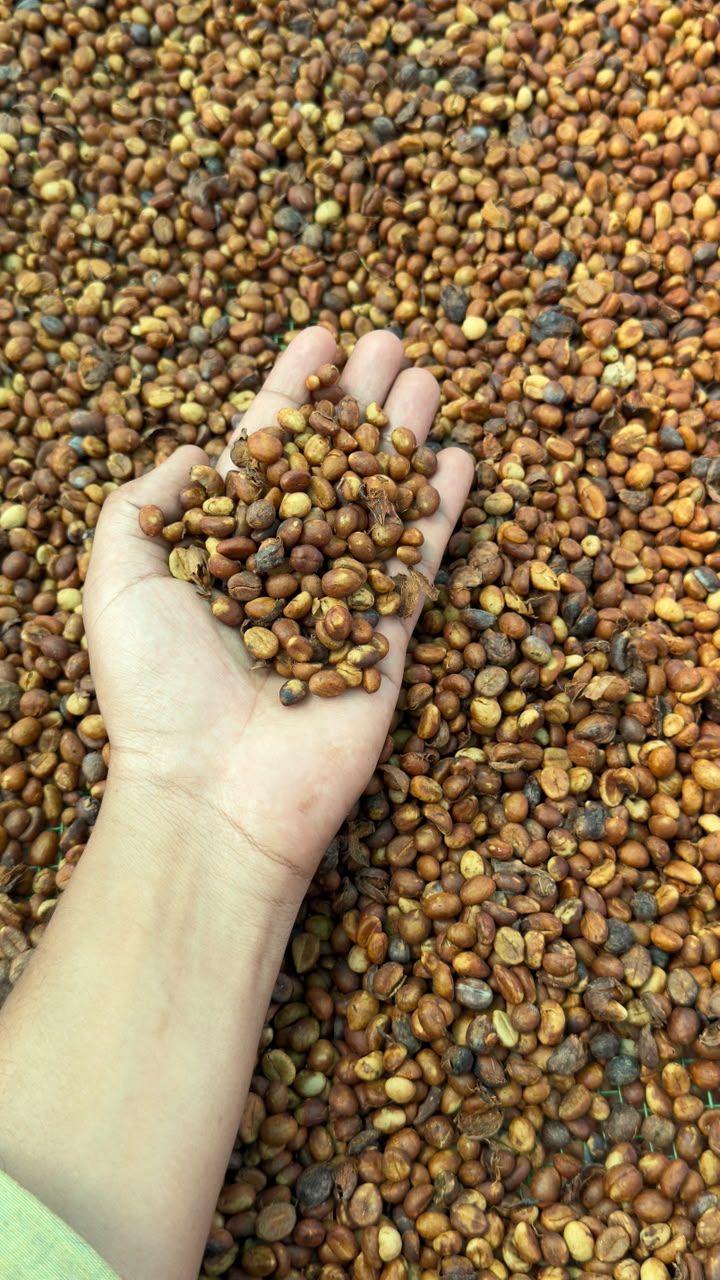
Part of that future takes him back to Sakleshpur in Karnataka, the coffee-growing region he comes from. Many growers there, he says, produce coffee as an agricultural commodity without necessarily knowing what their coffee eventually tastes like in the cup. Soudh wants to help them understand what they grow, how processing affects quality and the possibilities speciality coffee can offer, eventually creating a more direct farm-to-cup experience.
His other ambition is to take his consulting work further. Having consulted for more than 40 standalone cafés across India, he wants to explore more Tier II and Tier III cities and help build coffee communities in emerging markets.
For now, that matters more than rushing to open his own café. “I want to create more café owners. That builds an ecosystem. I believe that.”
It is a fitting direction for an accidental barista. Coffee began as a way of finding his feet at 17; today, Soudh is looking at the entire journey around the cup, from the farmer who grows it and the barista who brews it to the café owner building a business around it. And somewhere along that journey, there may eventually be a small café of his own.