- Name – Anushka Pandkar
- Go-to cocktail order: Whiskey highball
- Favourite wine: Refreshing, aromatic white wines
- Favourite non-alcoholic drink: Thai Iced Tea at Malaka Spice Pune. If not there, then Coconut Water
- Industry Experience: 14 years
When Anushka Pandkar entered the hospitality industry, her understanding of a sommelier was fairly straightforward: someone with strong wine knowledge, working on the floor of a hotel or restaurant, recommending wines to guests. Fourteen years later, that role has expanded far beyond the bottle. Her experience has taken her from hospitality and wine education to the corporate world, where she has worked across brand building, marketing, partnerships and storytelling. For Pandkar, wine knowledge remains the foundation, but the ability to communicate a wine’s history, winery philosophy and production in a way that connects with the consumer is what gives that knowledge value.
That broader understanding also shapes how she approaches food and wine pairing. Her rule is simple: if three or four sips of a wine do not leave you feeling that something is missing, the wine can stand on its own. But food can complete the experience, much like the right sauce completes a well-made dish. A high-tannin Barolo, for instance, can feel drying by itself, while a rich lamb or truffle and Parmesan pasta can soften the tannins and balance the wine. The same principle, she believes, applies to Indian food, where the real challenge is not the often-repeated idea that Indian cuisine is “too spicy” for wine, but understanding its enormous diversity. Chaat and lightly spiced seafood can work with Sauvignon Blanc, while Nihari with Cabernet Sauvignon and Laal Maas with Shiraz can create compelling combinations.
Tasting whiskey, meanwhile, has taught her patience. With a high-alcohol spirit, tasting cannot be rushed, and she prefers observing how it changes with water or ice rather than immediately trying to identify every aroma and flavour.
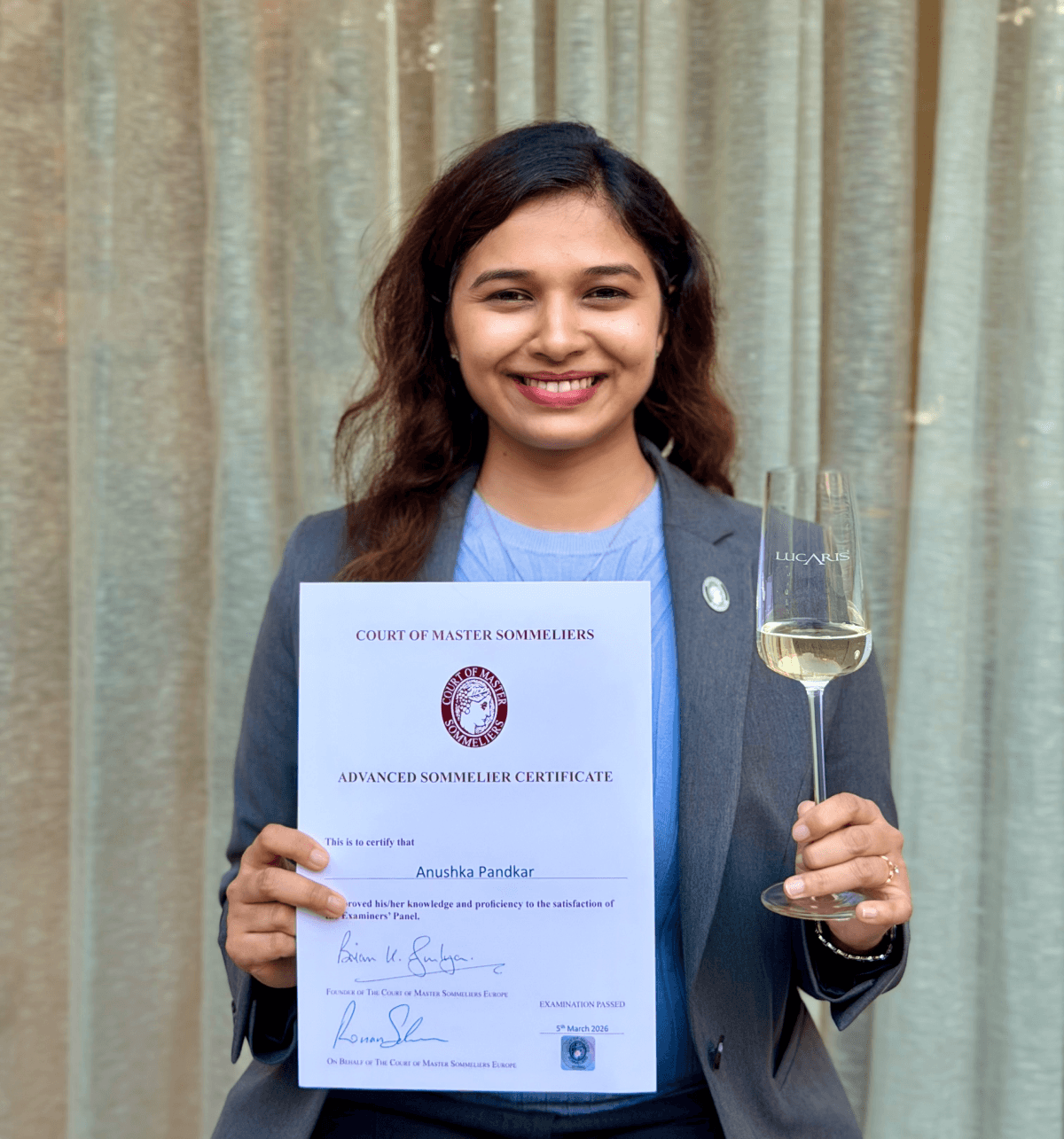
Her move into the brand ambassador role at Pernod Ricard expanded this perspective further. Having experienced the vendor side at Wine Park, she gained exposure to a multinational environment where global brand stories had to be adapted to local consumers and regulations, with clearly defined roles, KPIs and cross-market collaboration. Her Advanced Sommelier certification from the Court of Master Sommeliers Europe was another milestone, particularly because she was among just five candidates to pass the first Advanced examination held in India, from a batch of 17.
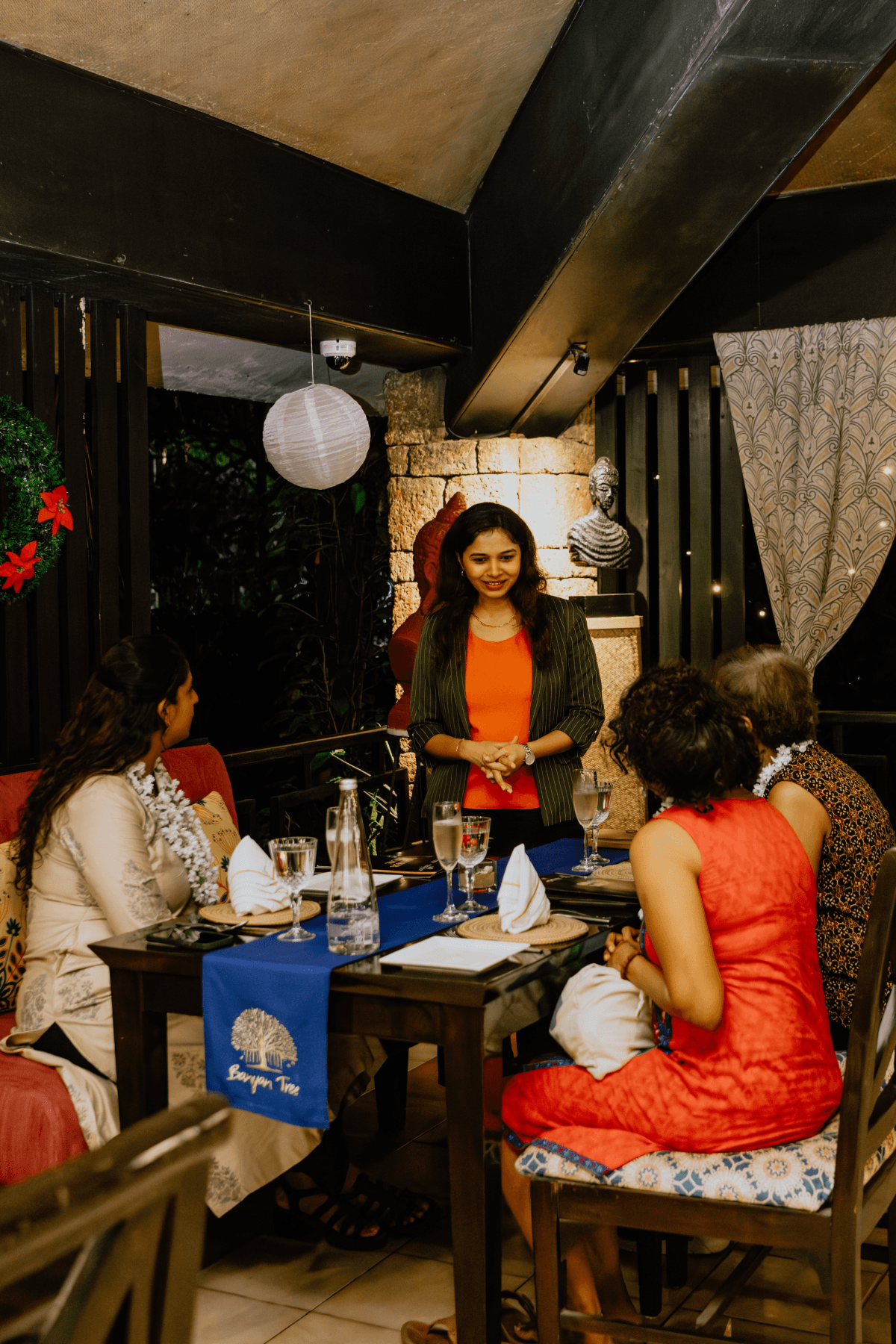
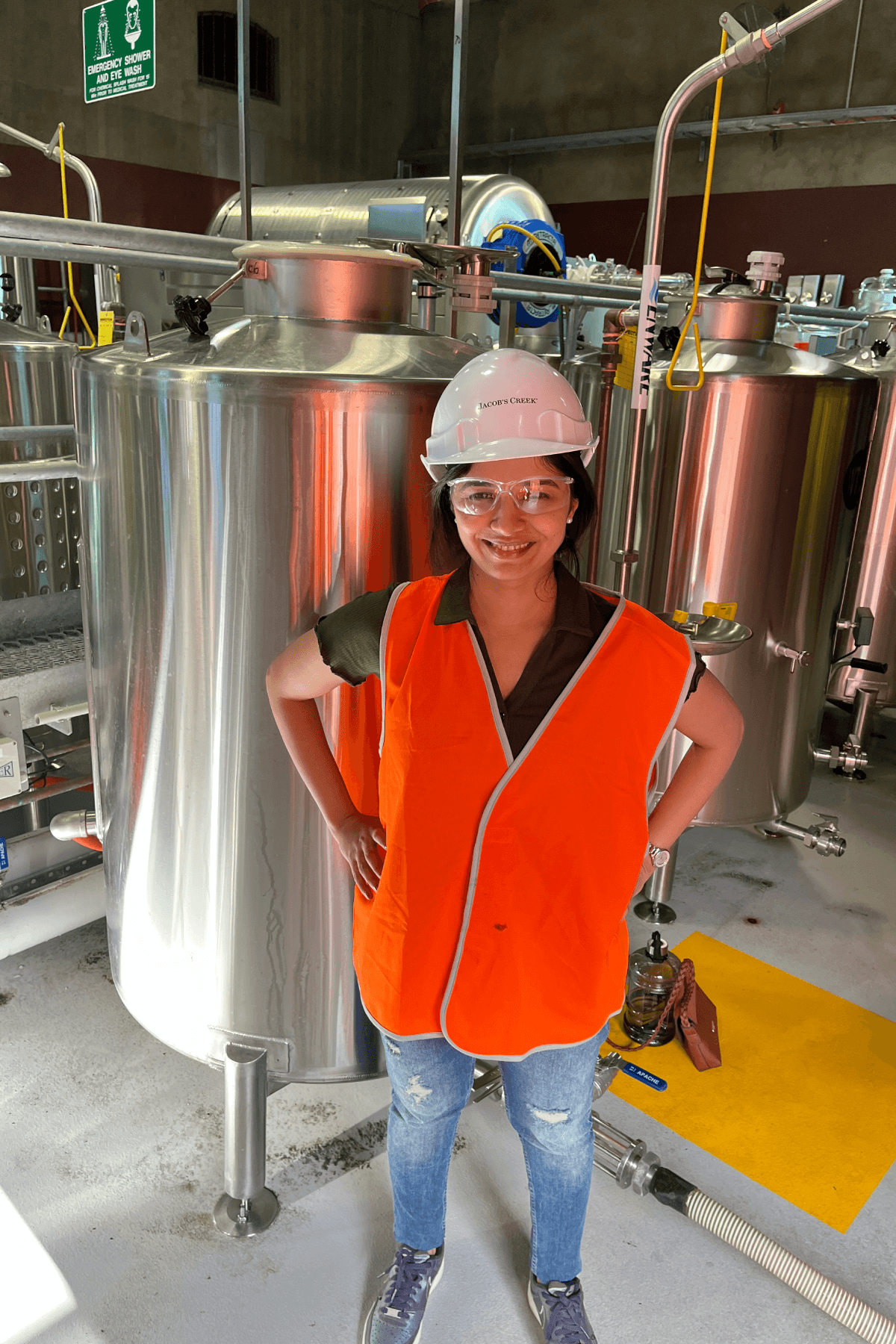
Yet her journey also carries a question that extends beyond credentials and tasting notes: what does it take to make the beverage industry genuinely welcoming for women? When she began in hospitality, Pandkar had considered bartending, but was advised against it because of concerns around working hours and women’s safety. Wine education offered another route, one that had fascinated her since hospitality school. Over 14 years, she has watched women become increasingly visible across wine, spirits and bartending, even as India’s bar scene has earned international recognition. But visibility, she believes, is only the beginning. Women need safe workplaces, meaningful support, sustainable careers and greater attention to physical and mental wellbeing. She would particularly like to see stronger mentorship and learning networks connecting aspiring women with experienced female leaders, something she herself wished she had access to when starting out.
She sees the same gradual evolution in India’s wine culture. Spirits remain dominant, but education, premiumisation and curiosity have grown, particularly after Covid. Consumers interested in wine are increasingly willing to spend ₹3,000–5,000 on a bottle rather than staying around the ₹1,000 mark, while WSET and sommelier courses, specialist wine retail and interest in grapes and wine styles are broadening the ecosystem. Over the next five years, she expects FTAs, growing wine tourism and stronger domestic portfolios to add momentum, with the hope that wine becomes more accessible, understood and naturally integrated into India’s drinking culture.
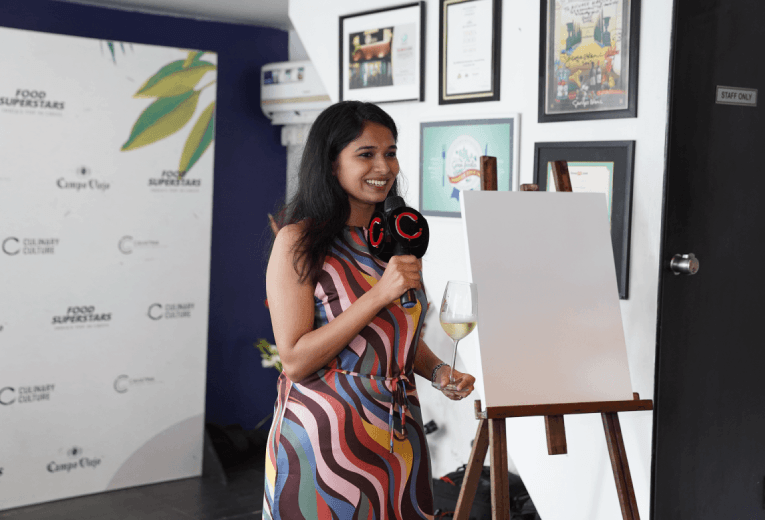
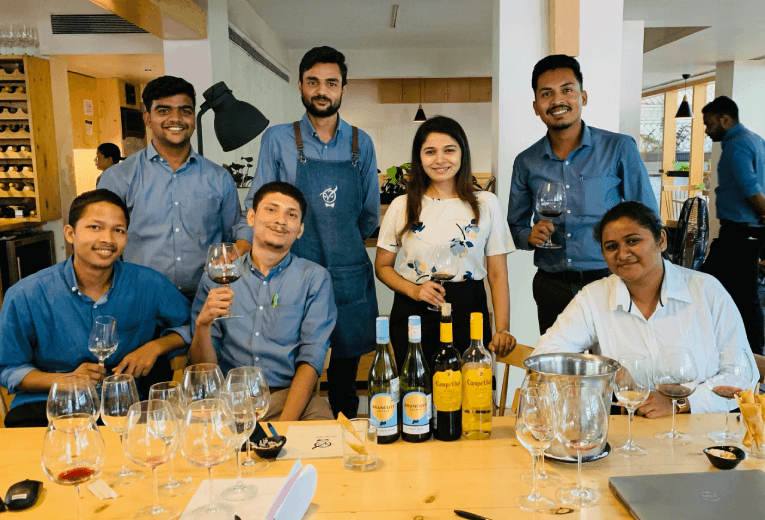
For anyone entering the profession, Pandkar recommends beginning with the fundamentals: grapes, regions, climate and winemaking, followed by developing an “aroma library” in your mind built from everyday fruits, vegetables, herbs and spices. Taste classic wine examples regularly, communicate simply, remain curious and be comfortable saying, “I don’t know.” In wine, she believes, knowing what you do not know is part of becoming good at what you do through constant learning.