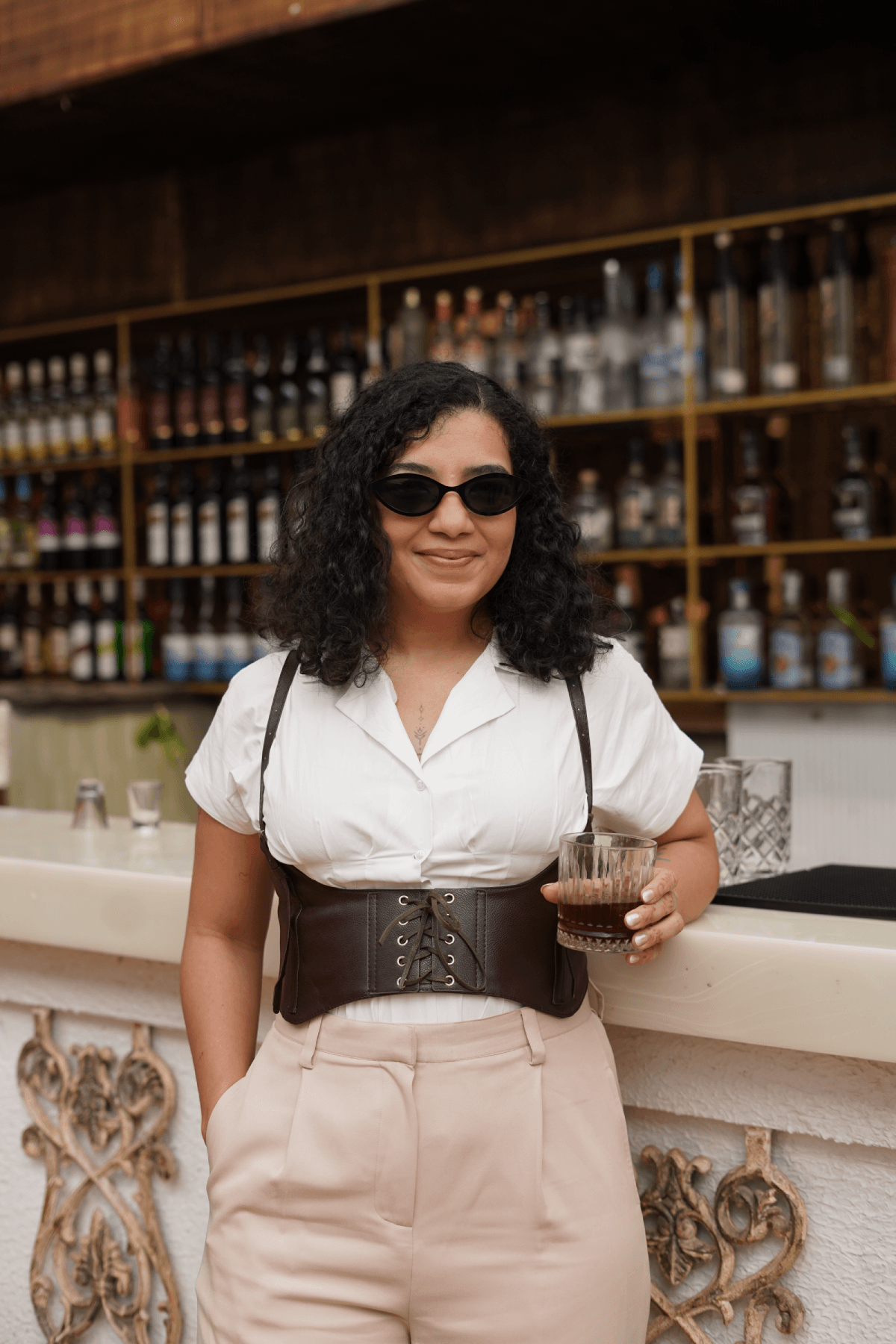
- Name: Ishrat Kaur
- Instagram: @ishratk, @pourhouse.studio
- Industry Experience: 15 years
- Favourite Drink: A very well-balanced Martini — it’s the ultimate test of precision, restraint and confidence both for the bartender and the guest
- Favourite Non-Alcoholic Drink: Coconut cold brew coffee
Confident, spirited, and oozing with creativity, Ishrat Kaur gets into a conversation with us on all things bartending, brand advocacy and consulting. She kicked off her career in the field of hospitality at a relatively young age of 18 years by being a part of an undergraduate program with The Oberoi Group that included an on-the-job program.
Born and raised in Delhi, she moved to Agra as part of the program and was thrust in multiple jobs right from cleaning bathrooms to working in engineering to picking up plates to being a part of security. While she learned everything there was to be done in a hotel, she realized early on that this was not her true calling and moved to working in standalone restaurants and bars.
At Passcode Hospitality Ishrat began her journey by heading operations, while often stepping behind the bar to learn, support the team, and understand the craft of classic cocktails within a speakeasy environment. She was also a part of the founding team of India Cocktail Week, and later found herself moving to Bangalore with Bacardi India, a city she now calls home. All these experiences shaped who she is today which eventually led her to start her own company — Pourhouse Studio.
We quizzed Ishrat on what makes a great bartender. Known for her energy and dynamic presence, she answered by, firstly, emphasizing that technical skill is the bare minimum required by mixologists today. “Number one is emotional intelligence,” she quips, “I feel like someone who is emotionally intelligent behind the bar will go a long way because you just understand your guests a lot better.”
The second quality? “Humility,” she croons, “As they grow older in their careers, a lot of bartenders lose a lot of their humility.” The last quality that would make a great bartender is: Business awareness and understanding the nuances of running a business.
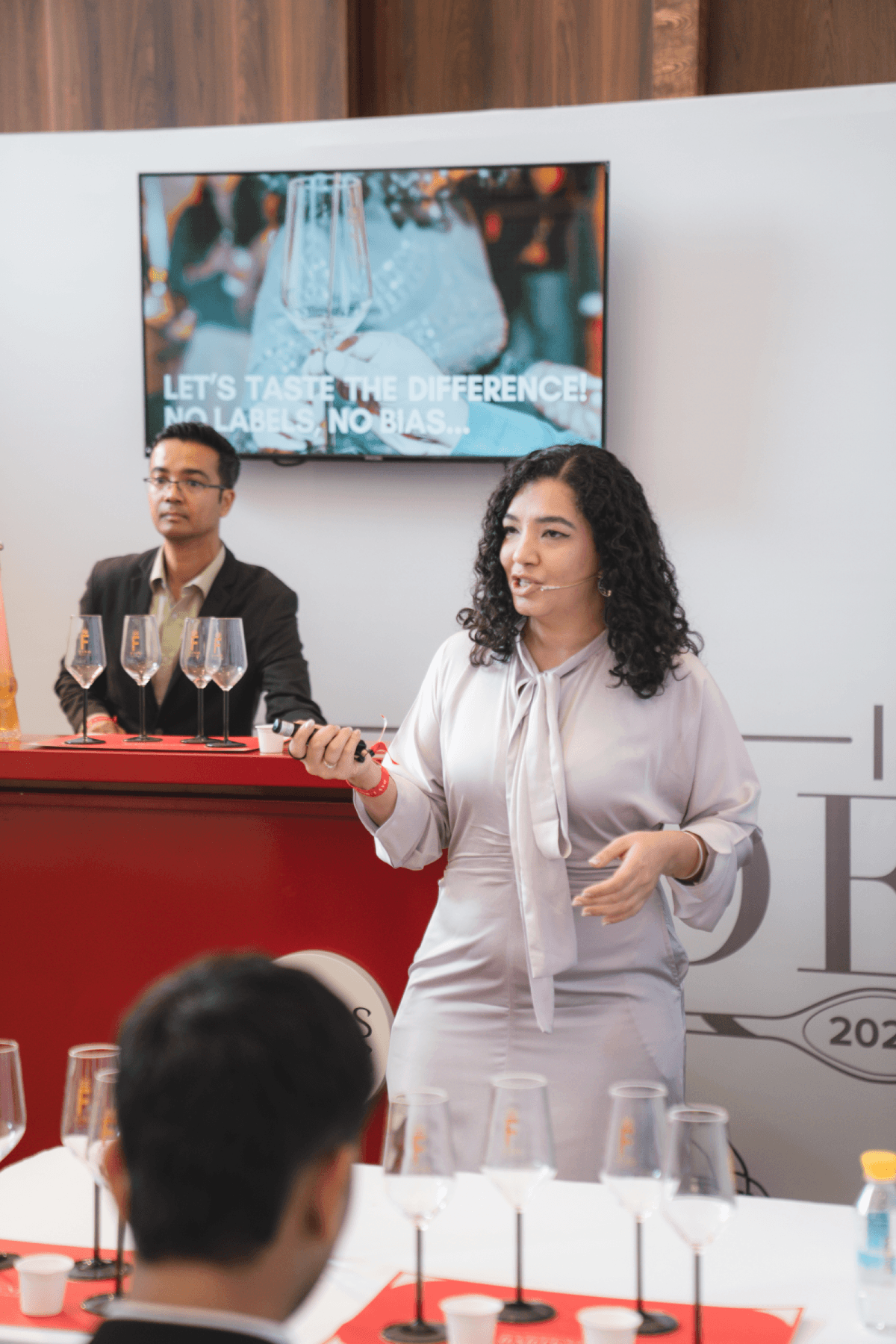
Authenticity comes from relevance and Ishrat reveals that authentic brand storytelling comes when a brand’s story is translated into local culture and local drinking habits. Creating programs that the community understands is how Ishrat approaches authentic brand storytelling. “I focus on creating experiences that bartenders can actually use, whether that’s menu integration, training modules or guest engagement formats,” she explains. She emphasized the need for sales scripts to be more real and human.
Kaur has mentored a sizable number of bartenders over the years and found that mentorship and education play a key role in building a sustainable career. It also builds confidence. Investing in people improves guest experiences, bar standards, and overall industry credibility. It also ensures a long-term career in this field.

Ishrat has partnered and collaborated with innumerable leading bars in India. We asked her take on how important these partnerships are in shaping bar culture? “Ufff I can’t even emphasize on how important this is!” she insists, “Exchanges accelerate learning in ways that formal training cannot.” Exposure to different cultures, not just from other countries but even from cities within India, can help bartenders share techniques, cultural perspectives, and operational insights.
We chatted with her on how essential it was to have a cross cultural exchange program between bars within India itself. Unfortunately, a lot of bartenders and owners heavily guard their bar secrets and keep them close to their heart. Ishrat dug up a quote on competition vs. collaboration that spoke of this very debate — “Competition happens at the bottom. At the top, we collaborate.”
Collaboration is at the heart of what Ishrat aimed at while creating Pourhouse Studio. A strong bar program, according to her, balances creativity with commercial viability. Sometimes, bar concepts mismatch with the menu leading to inconsistencies and confused guest experiences. Consistent storytelling and ensuring your bar has financial sustainability, are crucial to surviving in this business. Drinks, she elucidated, need to have a certain diversity and coolness to it. “Ultimately, the best programs are memorable and efficient to execute,” she concludes.
Ishrat also spoke about her burning passion for dance and how it instils an immense confidence in her. Movement, she said, in any form, is absolutely necessary for people working long hours in the hospitality industry. She also stressed on the importance of doing something your passionate about: It doesn’t have to be dancing. It could be playing an instrument and making music, singing, watching movies, playing video games, etc. “You can’t just be passionate about your work because you will burn out,” she said, “You will stop growing.”
We also asked the lively performer for her advice on budding bartenders just entering the industry and looking to make their mark. She dished out some interesting advice. Firstly, she stressed upon the need for mixologists to think long-term and not just focus on being amazing bartenders. Where would like to be 5 years from now? Secondly, she suggested that bartenders understand the different aspects of their business — be it operations, branding, communication or finances. Thirdly, she highlighted the skill of mindfulness that needs to be developed with new bartenders. Fourthly, she recommends always documenting your work: Don’t just put it up on social media, make sure you write it down. And finally, it’s vital to network internationally — it speeds up your growth.
Ishrat wasn’t done though — she told us that last, but certainly not the least, is the fact that mixologists MUST take care of their physical and mental health. While the harsh reality is that alcohol is detrimental to health in copious amounts, as a bartender, you don’t need to be doing shots or drinking cocktails every day. “Work on your mental and physical health and treat your workplace as a workplace and not as a party place is all I have to say,” she concludes frankly.
- Written by Nemisha Sharma