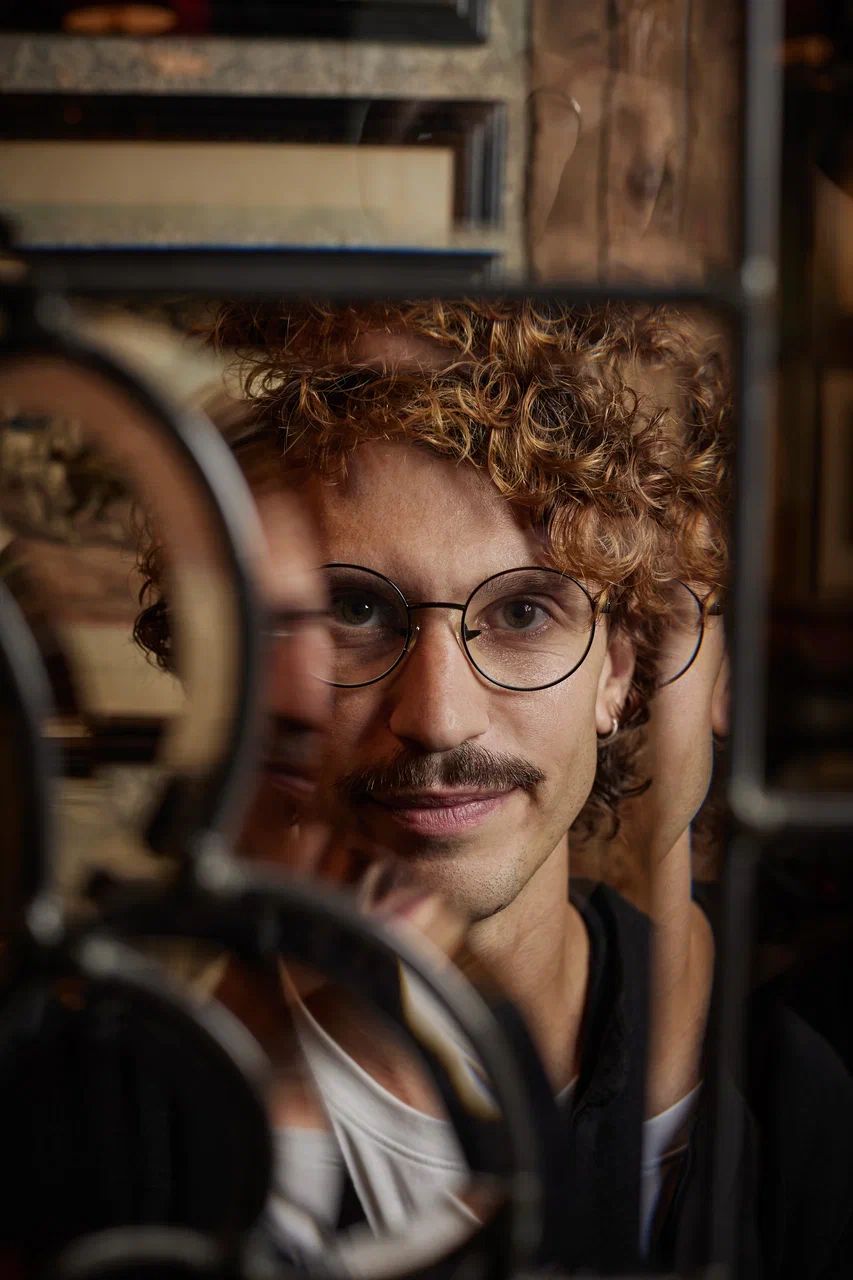
- Name: Andrew Dmitrievich Kobiakov
- Instagram: @andrewbartender
- Industry Experience: 12 years
- Favourite Drink: The Bamboo and Adonis cocktails are his constant favourites, but his favourite drink always depends on the season, geographic location, company, and his mood.
- Favourite Non-Alcoholic Drink: He doesn’t stick to one drink but likes to experiment with non-alcoholic beverages. He particularly likes non-alcoholic wines and can live off non-alcoholic Aperol Spritz cocktails on warm days.
Funnily enough, Andrew Dmitrievich Kobiakov never wanted to be a bartender. The handsome Russian man dreamt of being a writer while studying at the Tula Pedagogical University. He decided that to be a successful writer, he needed to widen his perspective and immerse himself in different cultures. What started as a temporary job while traveling to pay for his accommodations turned out to be his calling.
Andrew worked as a waiter and then became a bartender. Finally, he became a bar writer, but a magical shift happened: He started caring more about creating drinks than putting pen to paper. After winning the 2016 WCC competition, he knew he was meant to be a mixologist.
He worked his way up from being a humble busboy to a revered managing partner to finally running his own consulting agency called Holistic Bar Agency, and Jimmy Eltsin, a company that provides cocktail glasses and various bartender tools worldwide.
Andrew tells us there are no “magic pills” out there in bartending: An ingredient will have its own unique flavor extraction technique, and a particular cocktail category requires its own approach. He urges young mixologists to constantly read, learn and aim to gain knowledge. “But no matter how many new, innovative techniques emerge,” he cautions, “it’s important to remember the basic balance, which depends on the freshness of the ingredients and the quality of the base alcohol.”
Andrew also tells us an interesting story of a bar in Russia called More which was quite popular with guests. One day the bar decided to change their menu to one only offering winning cocktails from bar competitions. It wasn’t a clever move, and the bar lost many patrons. The cocktails were complex in preparation, took time to make, and didn’t always cater to a guest’s preferred flavor profile.
His advice is simple: “A cocktail competition isn’t a cocktail for sale at a bar. At a competition, your goal is to show off your skills, impress with ingredients and techniques,” he explains, “But at a bar, the goal is different: You have to make sure the guests have a great time. Don’t overwhelm them, don’t teach them lessons if they don’t want to learn.”
Andrew also emphasized the importance of knowing the classic cocktails inside and out before making tweaks to them when creating your own signature drink, substituting one ingredient or one technique at a time. Always ask questions: Why is this ingredient used in this cocktail? Why is this technique used to make this beverage? “The more a bartender understands the processes, the better they’ll be able to manipulate them to create their own signature drinks,” he counsels.
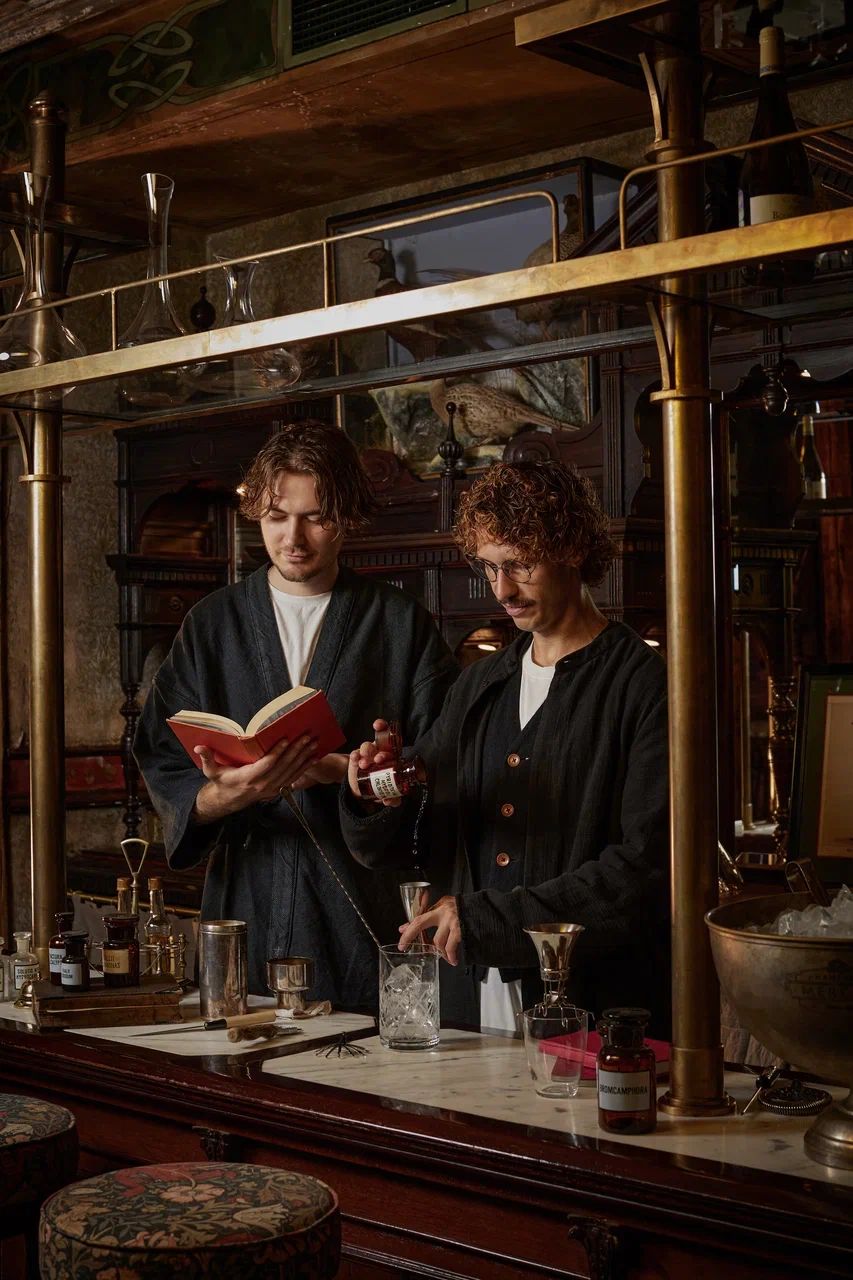
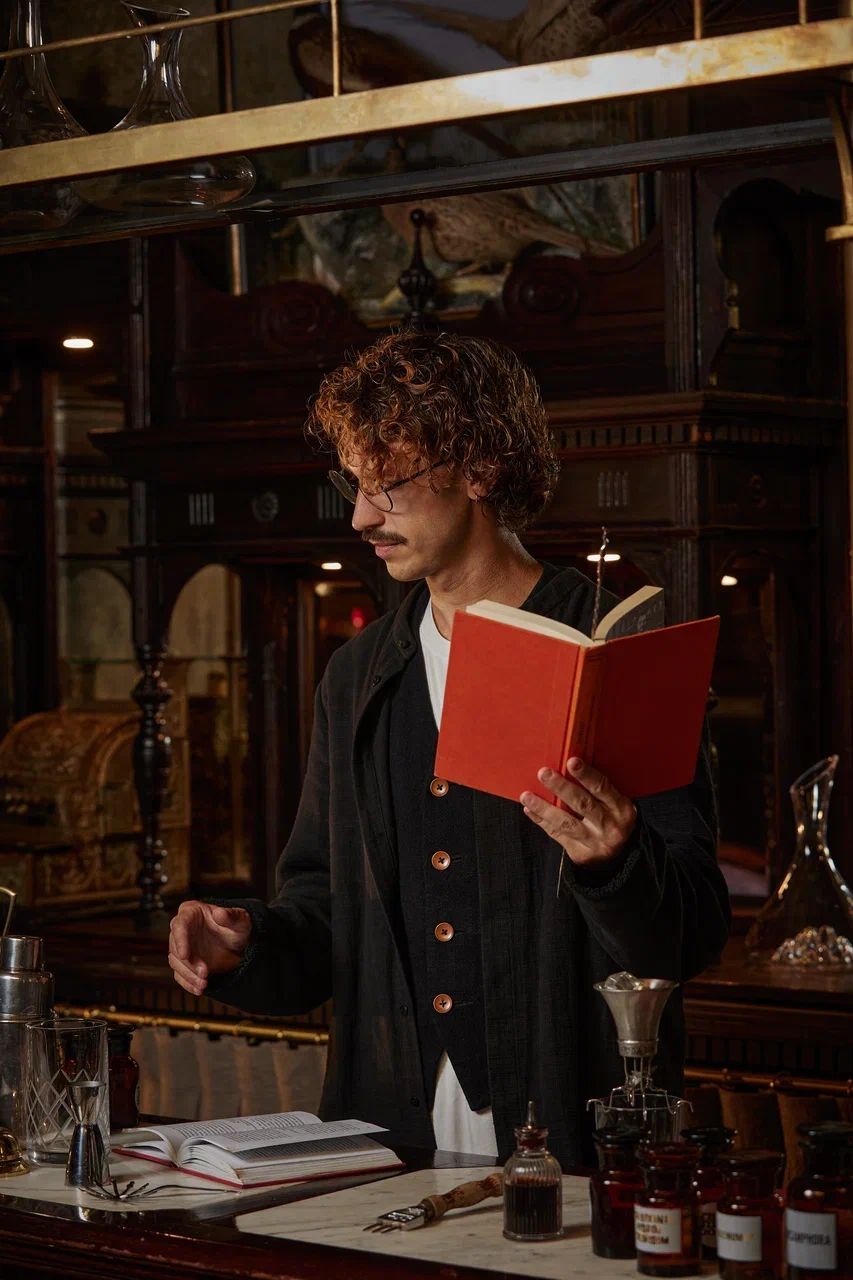
The conversation with him flowed freely and we found ourselves asking him about something that’s not always talked about in the bartending industry: How to keep customers happy during a busy service. First and foremost, Andrew said, it’s important to acknowledge the long wait time and let them know you’re doing everything you can to rectify the situation. If the restaurant allows it, offer them a complimentary drink for the long wait time. If all else fails, ask a colleague to take over.
We segway our little tête-à-tête into his agency where he revealed that the bar’s signature cocktail named BLACKOUT represents his agency’s philosophy. The tipple consists of tequila infused with blackened, fermented lemons, with the addition of French and Italian vermouth infused with vanilla, Campari, and then separated into its alcoholic and non-alcoholic fractions using a rotary evaporator, with caramelized grapefruit collected back into the distillate instead of alcohol. Whew!
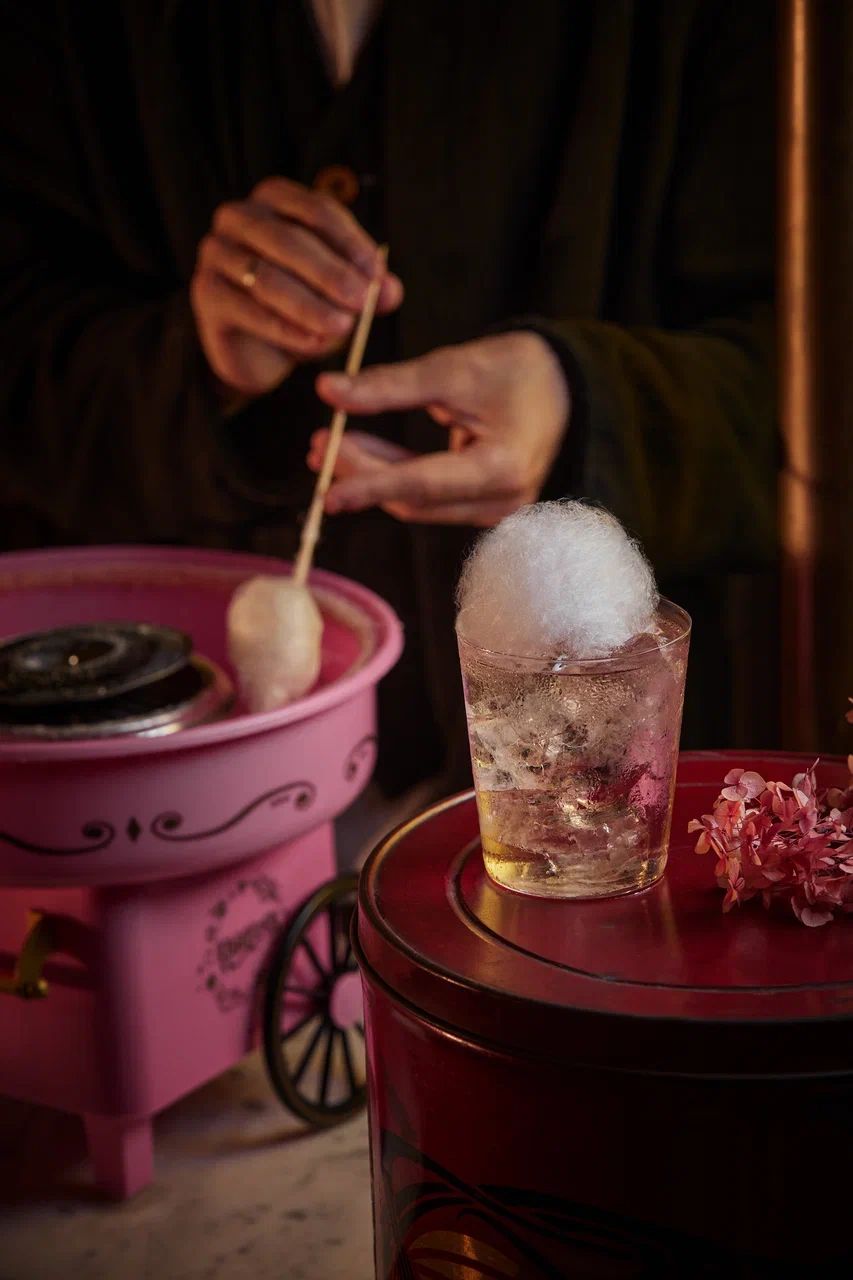
If this wasn’t enough, the elegant blend of ingredients is served in a thin glass decorated with black velvet which they use to cover the top of the glass. Andrew excitedly explains how it combines tradition and innovation. He also loves the fact that it tells a story, and it represents their philosophy of finding holistic solutions to problems.
Before we end our spirited discussion on all things bartending, we asked him one last question: What major trends are set to dominate the bartending industry in the next five years? He mentions 5: First, the need to simplify drinks. Second, the understanding that a bar is more than just mixing drinks—it’s about the people, conversations and ambience. Thirdly, a burgeoning trend towards non-alcoholic mocktails becoming more popular, and fourthly, the taste profiles veering towards single-origin, high quality, seasonal and local flavors.
And the fifth? “Simplicity. Lightness. Life,” he concludes.