- Name: Gabriella D’Cruz
- Instagram: @gabrielladcruz, @thegoodocean
- Favourite Cocktail: Bloody Mary or a Breakfast Martini
- Favourite Non-Alcoholic Drink: Lime Soda
A recent trend dominating the hospitality industry, particularly in the Indian bartending and restaurant scene, is an increasing focus on our country’s indigenous ingredients. But while the land grows an abundance of such ingredients, it’s time we look towards the ocean.
Gabriella D’Cruz, a marine conservationist and founder of The Good Ocean, talks about something few people in the HORECA space know about — Indian seaweed.
Surprisingly, she informs us that there are 800 species of it found it India, but not all are palatable. In order to sell Indian seaweed to the food market, it needs to meet two very important criteria — 1) palatability and 2) availability.
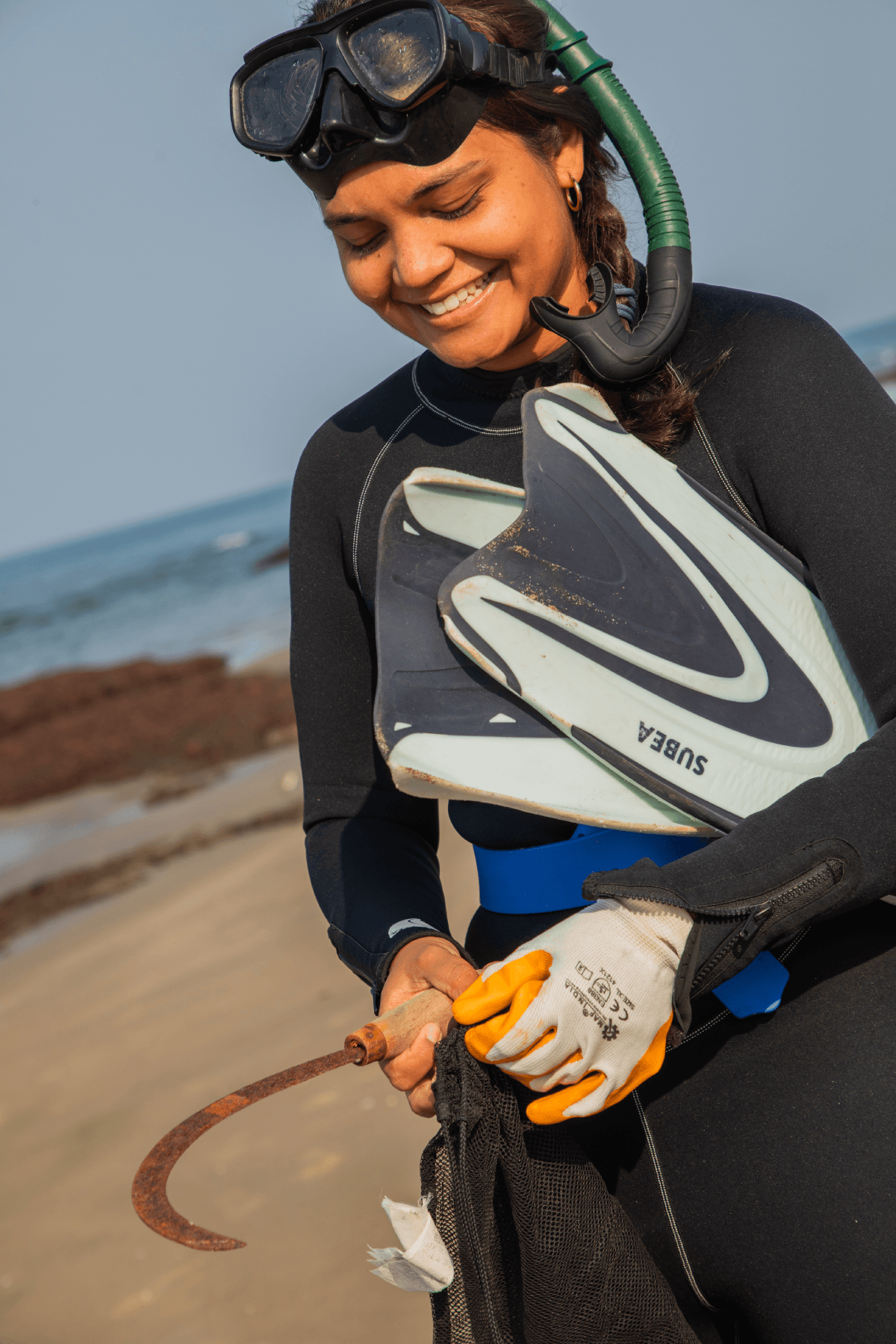
Through The Good Ocean, Gabriella and her team sustainably wild harvest clean Indian seaweed that is traceable. “And after I started talking about seaweed in Goa, which is where I’m from, a lot of chefs approached me and they were like, you know, we didn’t really know we had this diversity of seaweed,” she says.
After meeting a community of women who collected seaweed off the coast of Tamil Nadu, Gabriella got interested in farming seaweed. However, it became incredibly challenging and expensive for her to keep farming it without adequate research support.
Therefore, she moved towards sustainable wild harvesting. How is it sustainable exactly? D’Cruz explains that they cut the seaweed in such a way that it can continue growing, they ensure that they don’t harvest it when it’s in its reproductive phase, and they only commercially harvesting species that are abundantly available. They also document the seaweed forest — which is, unfortunately, not protected by laws in India.
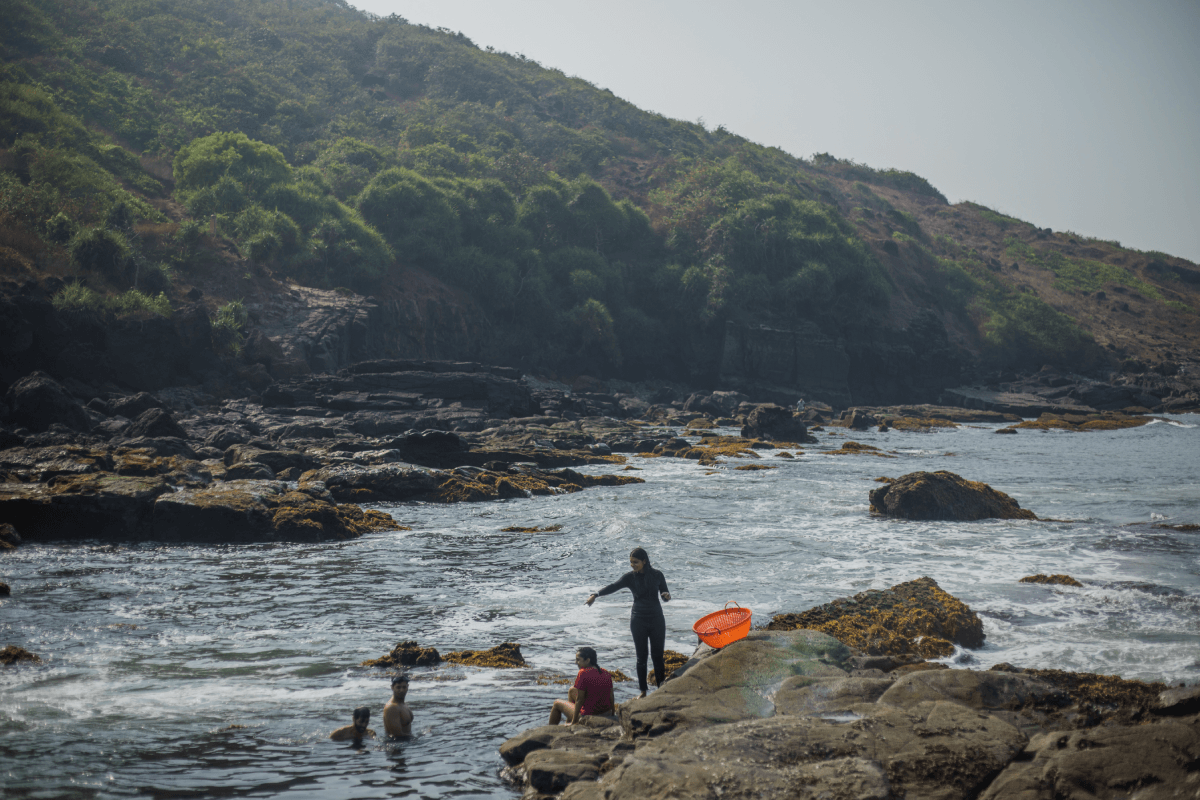

Gabriella also pays harvesters 20 times more per kg of seaweed as compared to another harvesters in the country — ensuring that her company sources seaweed ethically.
She fervently talks to us about the endless culinary possibilities of using India’s algae by bartenders and restaurateurs. Not just using them in Japanese and Korean cuisines, but the Sargassum variety of Indian seaweed can be incorporated in traditional Indian dishes and drinks, often creating a rich umami flavour that captures the essence of the ocean.
Indeed this briny ingredient has been seamlessly integrated by chefs and bartenders across Goa, right from seaweed martini, to seaweed pani puri, to seaweed bhel and risotto. A bartender even blended this humble ingredient in the salt rub of the traditional Goan Urrak cocktail.
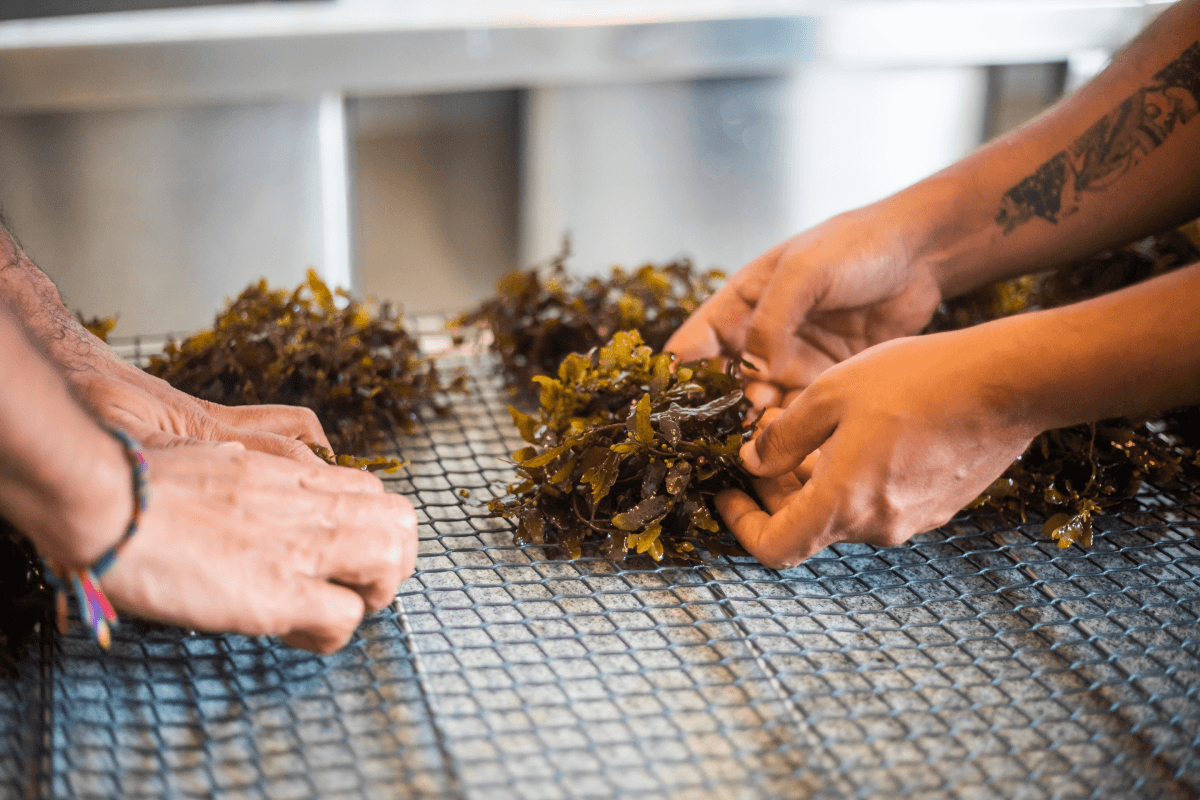
Gabriella is passionate about this oft-looked over ingredient that dots the serene coastline of her hometown. She enlightens us about the nutritional and environmental benefits of marine algae. “It is a low carbon food rich in iodine and the only vegetarian source of DHA (which is an omega 3 fatty acid).”
Moreover, like mussel and oyster farming, seaweed farming is regenerative in nature. The fishery sector, in contrast, can often drive oceanic food systems to extinction.
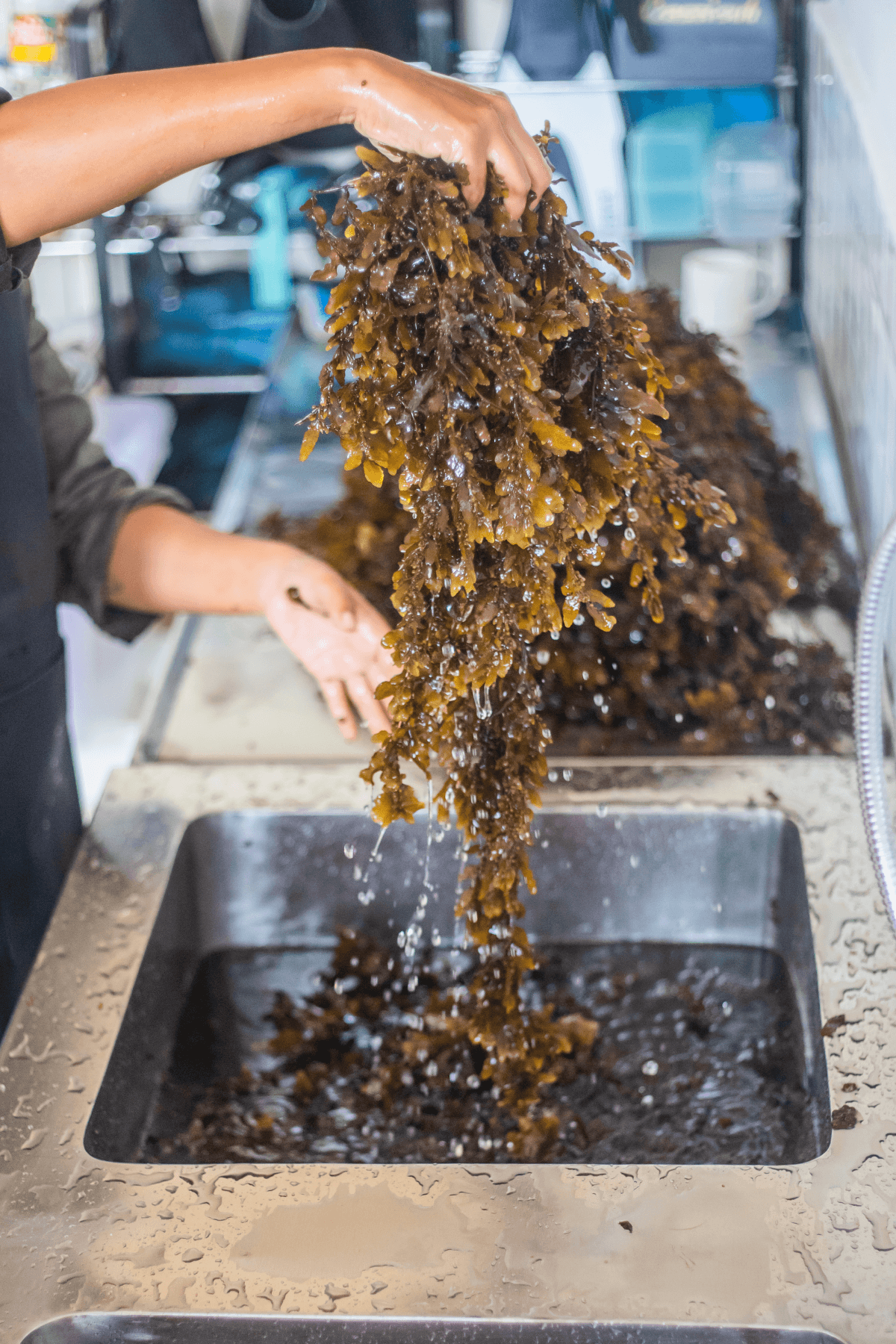
So what’s Gabriella’s long-term vision of The Good Ocean? “I’m really interested in seeing how we can make farming systems more accessible to women along the coast,” she answers, “If you look at larger seafood supply chains, women do almost 70 to 80% of the labour however most seafood companies are run by men.” Unlike the larger seafood sector, a large number of seaweed companies across the world are run by women. The spirited conservationist ardently wishes the future sees women running seafood companies in India. She also wants more women to enter into marine science and conservation.
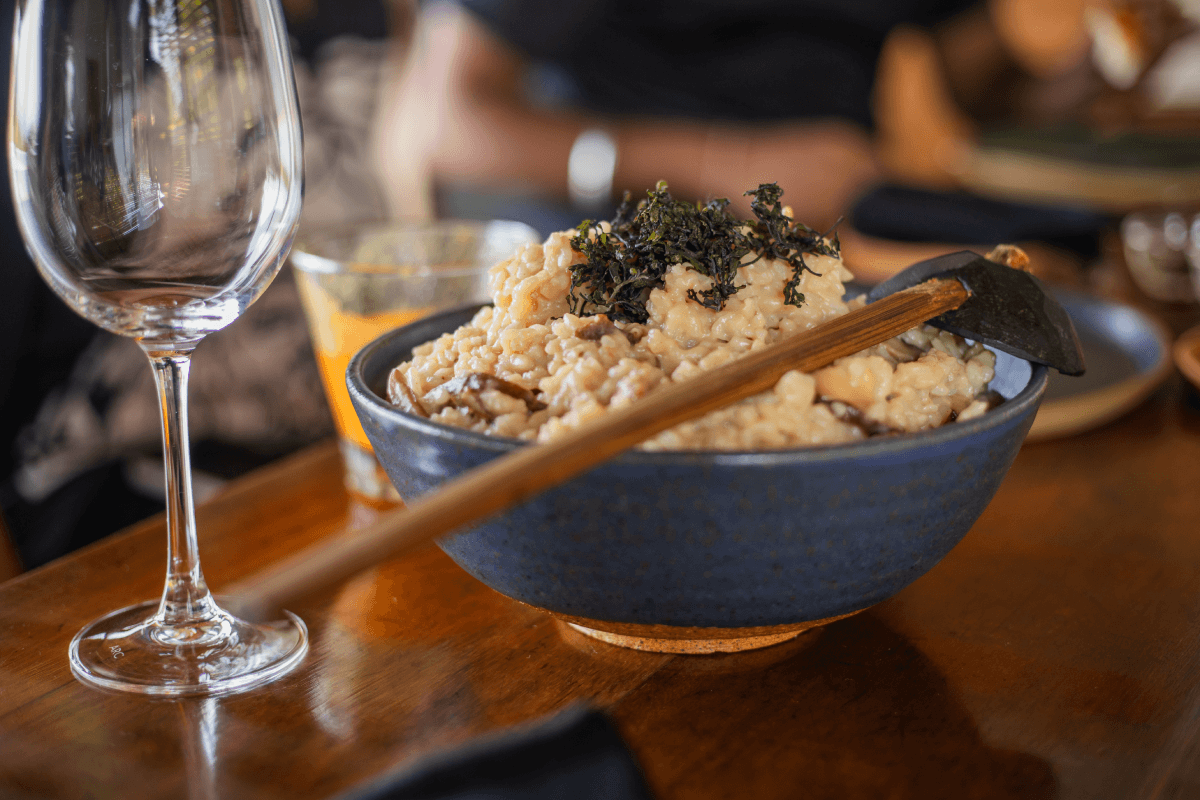
She ends the interview with a thought-provoking message: “I think we need more meaningful work that connects people to land and ocean.”
If anyone would like to sample The Good Ocean’s flavourful seaweed, drop Gabriella a DM on her business’ Instagram account.
- Written by Nemisha Sharma
- Picture credits: Rebecca DCosta