- Name: Kevin Kos
- Instagram: @kevin_kos
- Favorite Cocktail: Highballs. “Lately I’m more into low ABV drinks, so highballs are my go-to. Sometimes whiskey and soda, or a simple highball with any low-ABV spirit—that’s my perfect drink,” says Kevin.
- Favorite Non-Alcoholic Beverage: Non-alcoholic beer
- Industry Experience: 20 years
Kevin Kos is a Slovenian bartender and mixologist known for his YouTube channel, Cocktail Time with Kevin Kos, where he explores modern cocktail education and the “engineering” behind drinks. His journey into bartending started young and unfolded organically, shaping both his technical approach and his philosophy of hospitality.
He began working in hospitality at sixteen, starting in a pizza restaurant where he waited tables, washed dishes, and occasionally helped behind the bar. This early exposure taught him the rhythm of service and the coordination needed for a busy floor. Later, at his cousin’s coffee bar, he made his first cocktail. It was a place of constant learning, where balance and flavor were discovered through experience rather than instruction.
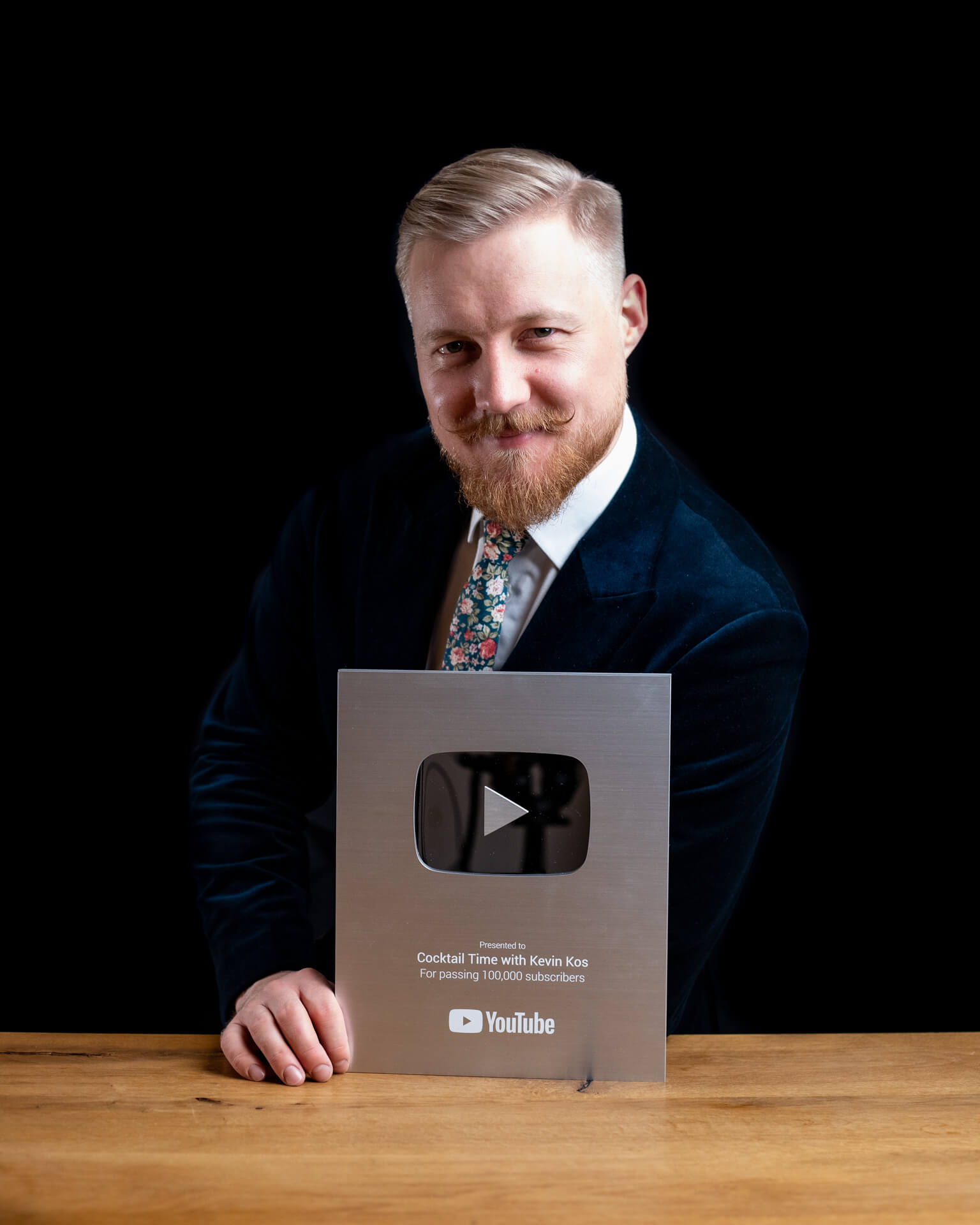
From there, Kevin moved to Maribor, the second largest city in Slovenia. He became head bartender at a cocktail bar and began to see bartending as a full-time pursuit. At the same time, he studied civil engineering, working weekends to support himself. After graduating, opportunities in engineering were scarce, and bartending naturally became the focus. “I won my first cocktail competition, then a second, a third. At that point, I knew I was on the right path, and I never went back to engineering,” he recalls.
Kevin’s approach blends creativity, precision, and practicality. A standout example of this is Super Juice, a technique that reimagines how bars work with citrus. “It’s a beautiful technique where we extend the flavor of the juice, and we extend the juice itself to have better yield from one citrus fruit,” Kevin explains. By combining citric and malic acids with citrus peels, bartenders can achieve a product that preserves the essence of fresh juice while multiplying the usable volume.
The operational benefits are significant. For one litre of fresh lime juice, roughly thirty limes are needed, totaling about 2.5 kilos of fruit. The same litre of Super Juice requires only five organic limes, less than half a kilo, while also offering extended shelf life and more consistent flavor. “We save costs by using fewer ingredients, and we save a lot of time and money on labor because making one litre of Super Juice is far faster than squeezing fresh juice,” he says.

The technique scales impressively. When producing larger quantities, the time savings increase. Once the limes are peeled, the blender and filter handle most of the work, freeing bartenders to focus on other prep. This makes high-volume production smoother and reduces waste. Financially, the method is efficient as well. Non-organic fresh lime juice might cost around six euros per litre, whereas Super Juice, even using organic limes for peel safety, costs just over four euros per litre. For busy bars, the difference is substantial, both in ingredient costs and labor efficiency.
Kevin actively demonstrates Super Juice in his masterclasses and guest shifts, including upcoming events in India. “I welcome all the bartenders to see it live, because it’s much easier to explain and much more engaging than just reading about it,” he says. The technique exemplifies his approach: blending science, creativity, and operational efficiency to improve both the craft and the day-to-day reality of working bars.
Precision is another cornerstone of Kevin’s work. Tools like gravimetric scales and siphons allow bartenders to control every element of a drink. For more advanced bars, techniques such as vacuum distillation or centrifugation can be incorporated to refine flavor and texture. Kevin emphasizes that while not every bar needs every tool, intentional use of select equipment allows bartenders to express creativity reliably.
Even with technical expertise, hospitality remains central. Kevin often points out that young bartenders sometimes skip foundational roles in favor of signature drinks. He worked as a waiter, runner, and door manager, learning how guests move through a space, how service flows, and how small gestures shape the overall experience. “We are in the hospitality business. We have to be hospitable,” he says. Technique, he notes, gains meaning only when it supports the guest experience.
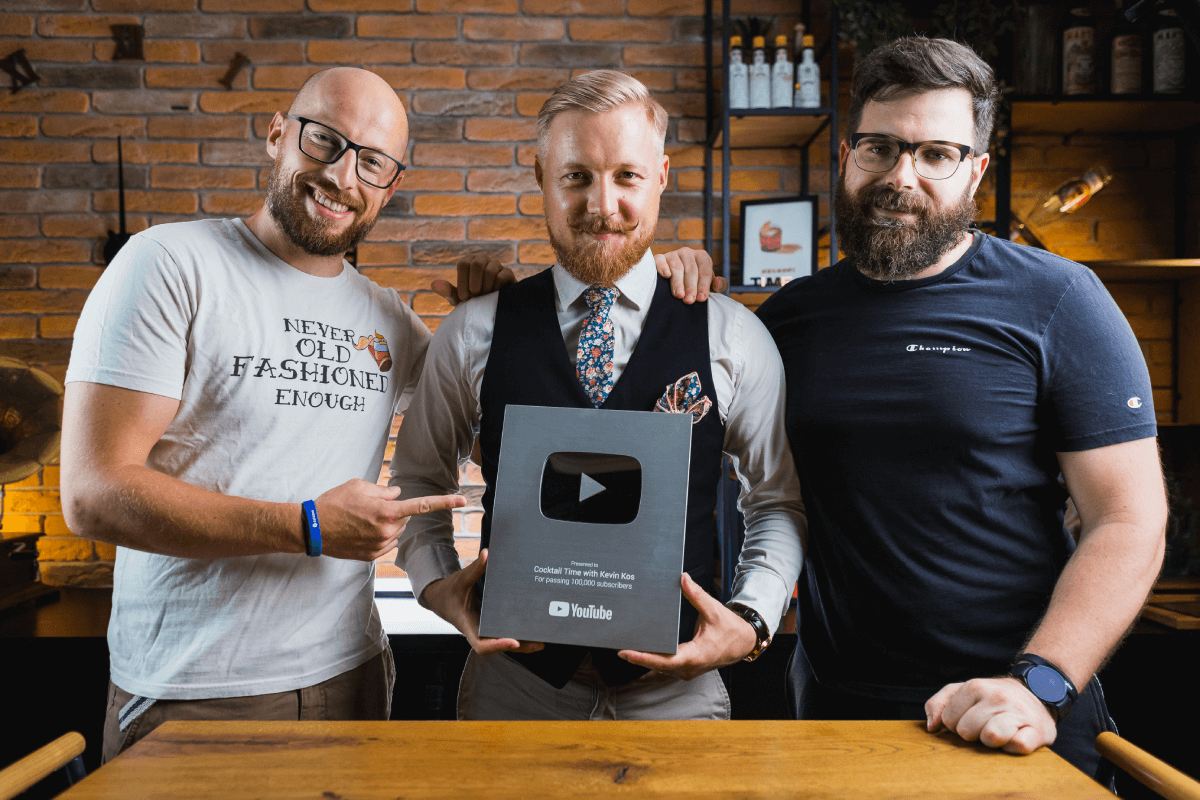
Managing a high-volume content channel requires teamwork and curiosity. Kevin works with a six-person team who handle filming, editing, and logistics, allowing him to focus on developing cocktails. Ideas submitted by bartenders are constantly tested, some adopted for his channel, others refined further. This iterative approach keeps the content relevant and the craft evolving.
His advice for bar owners and bartenders is simple: continue learning, share knowledge, and embrace the fundamentals of hospitality. “If you share the knowledge, the knowledge grows. We all evolve together, and hospitality becomes an even more beautiful place,” he says.
Kevin will be bringing this philosophy to India on guest shifts across four cities, including Mumbai, inspiring bartenders to refine their craft while embracing efficiency, creativity, and service. His journey demonstrates that modern bartending is both a science and an art, and that lasting impact comes from curiosity, consistency, and respect for the craft.