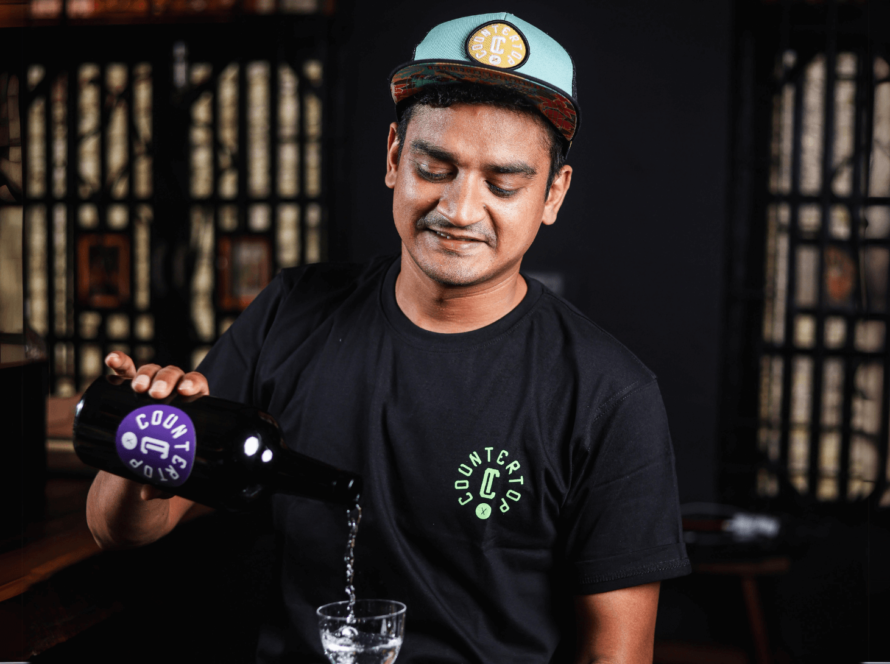
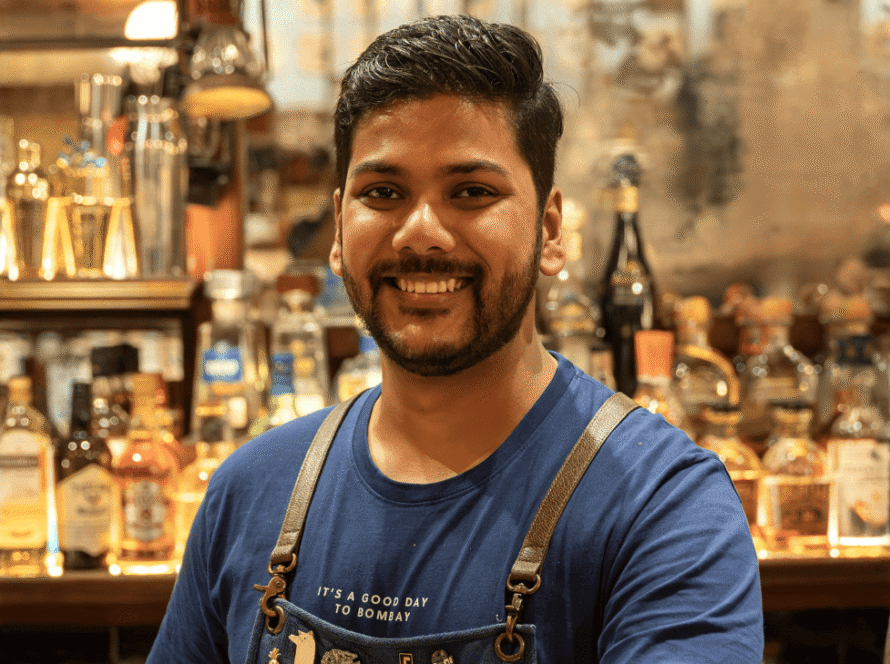
- Name: Arijit Bose
- Instagram: @drinkswithdabose
- Favourite Cocktail: *l Vieux Carré from New Orleans; Slip Me a Mickey*l by Michael Callahan from 28 HongKong Street
- Favourite Non-Alcoholic Drink: Water
- Industry Experience: 25 years
After 25 years in the food and beverage industry, Arijit Bose does not speak about bartending as a job. It is a journey shaped by curiosity, exits and returns, failures, reinvention, and deep respect for the ecosystem that sustains a bar beyond the glass.
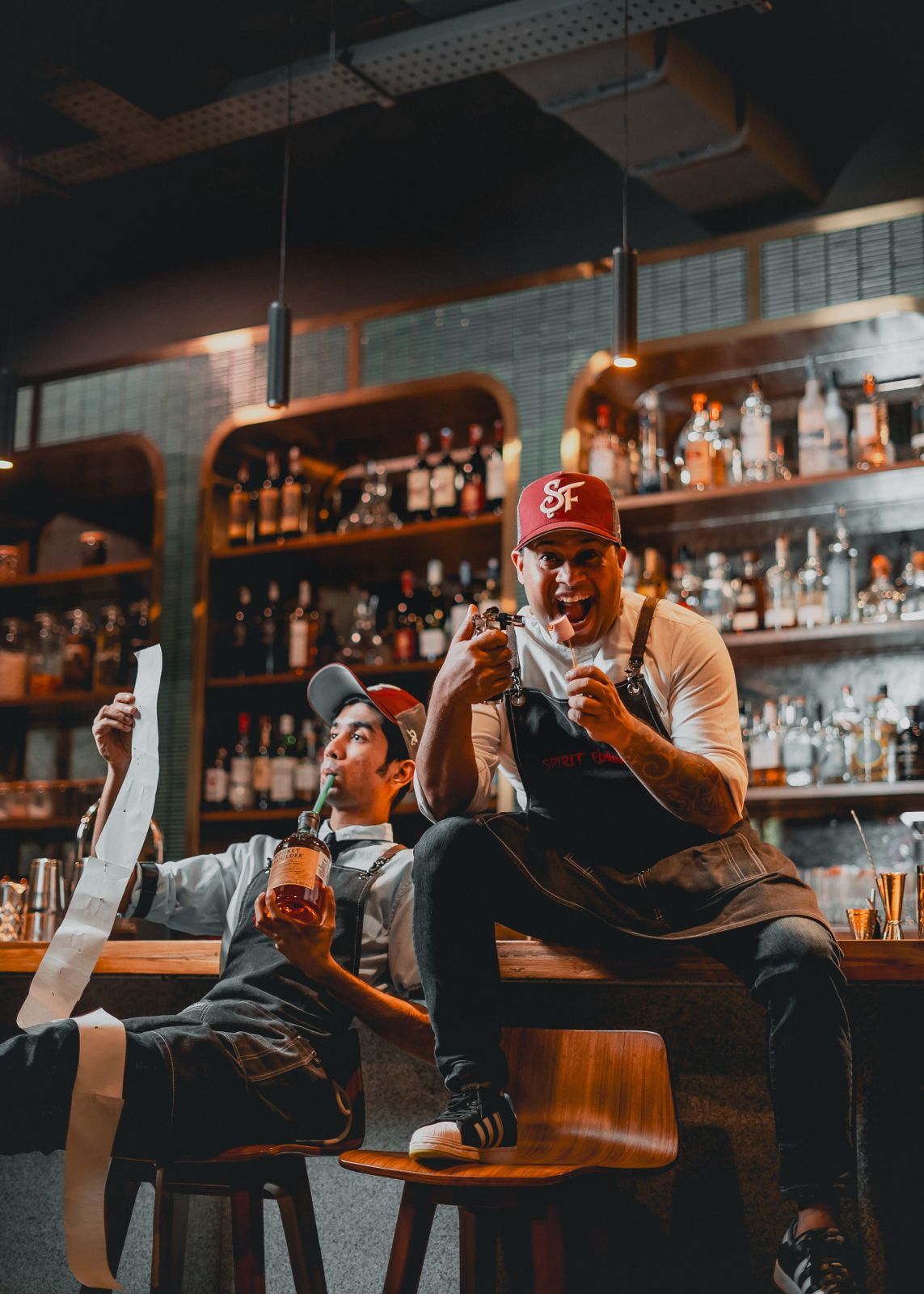
There was no singular moment that defined beverages as his core calling. Instead, it was a slow, organic pull. Trained at The Oberoi, Arijit’s early interest in bars was sparked by a mentor who introduced him to the world of beverages. Though bartending was never a straight line for him and he left it three or four times over the years, each return brought growth, clarity, and professional reward. “Every time I came back, it gave me a lot of return,” he says.
His career spans hands-on bartending, sales, marketing, and one of the earliest full-time brand ambassador roles in India with Bacardi in 2007, long before such positions formally existed. It was only after nearly two decades in the industry that Arijit fully recognised his strength. Beverages were not just an interest; they were his space. That realisation eventually led to the creation of Lovers, his own brand, while he continued helping others build theirs. Even when ventures did not succeed commercially, the process itself remained deeply fulfilling. “It worked out for me,” he reflects. “I have no regrets.”
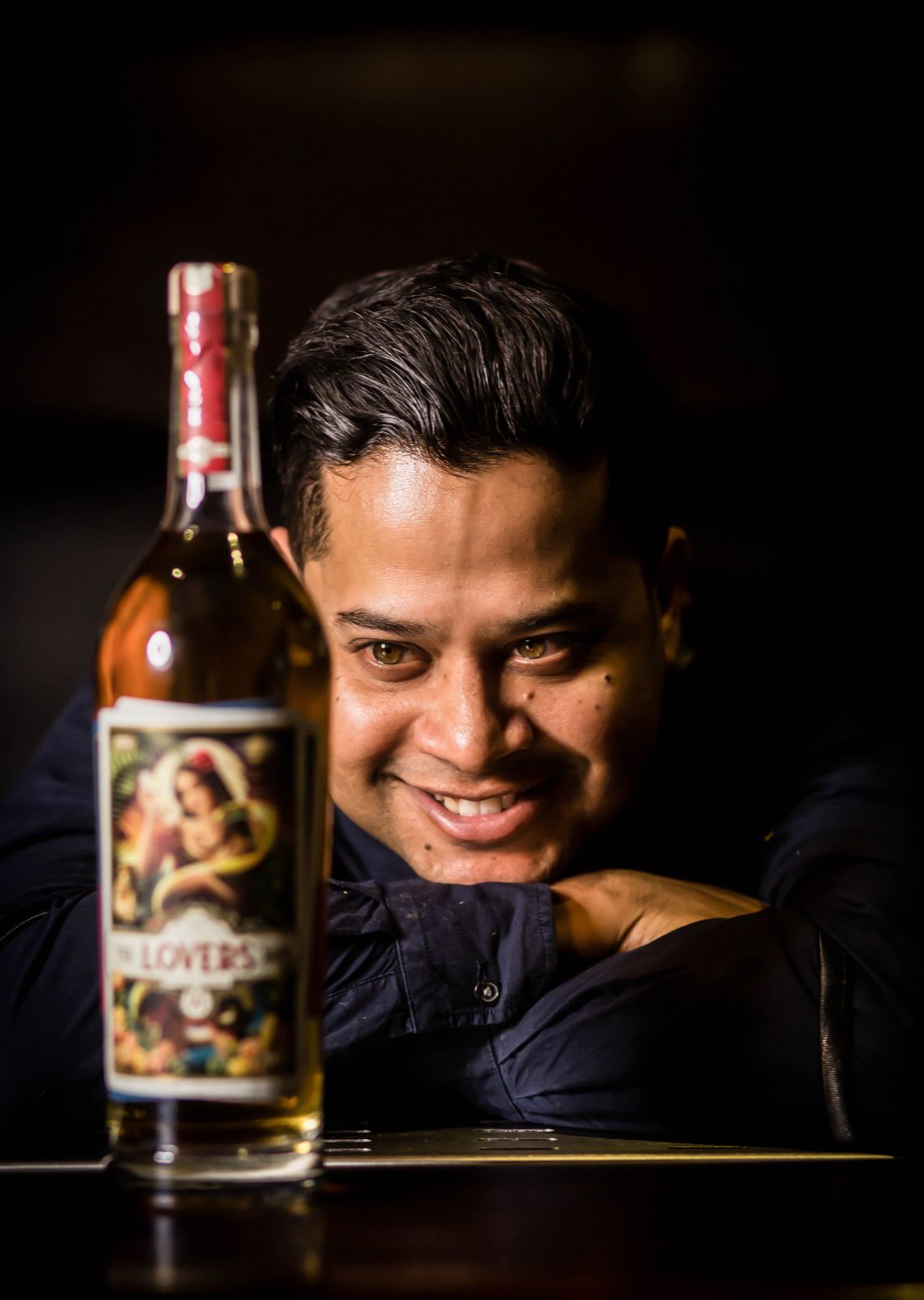
As a bar consultant, Arijit believes clarity of intent is everything. Consultation, he says, introduces you to people with very different motivations for opening bars, and respecting that difference is essential. Early in his consulting career, the pressure to earn quickly led him to take on everything. Experience taught him otherwise.
Today, he prefers working on small, concept-driven bars rather than large-scale, high-volume operations. The reason is control and consistency. Smaller bars allow him to build the right programme, work with a focused team, and maintain standards over time. “I am happier making a little less money if the project runs the way it is supposed to,” he says. Large bars may generate more revenue, but they demand a broader and less detail-oriented approach. For Arijit, choosing where to sit as a consultant and committing fully to that space has been key.
When it comes to menu costing, Arijit is straightforward. Creativity without commercial sense does not work. While technique-driven cocktails and advanced equipment may look impressive, bars are ultimately businesses. Two factors always determine success: whether the menu makes money and whether the available talent can execute it consistently. Many consultant-driven menus fail because they ignore these realities.
He emphasises the importance of understanding city-specific pricing, brand tie-ups, ingredient availability, and maintaining a sustainable cost structure. A single high-cost cocktail can exist, but only if the rest of the menu balances it. “It is never about one great cocktail,” he says. “It is about how the whole menu comes together.”
Beyond drinks, Arijit believes that 95 percent of a successful bar exists outside the glass. Lighting, music, spatial design, staff behaviour, and guest comfort define the experience. Bars are social spaces where people come to connect, unwind, spend time alone, or celebrate. Professionals often forget that guests do not return only for technical brilliance. They return because they feel good.
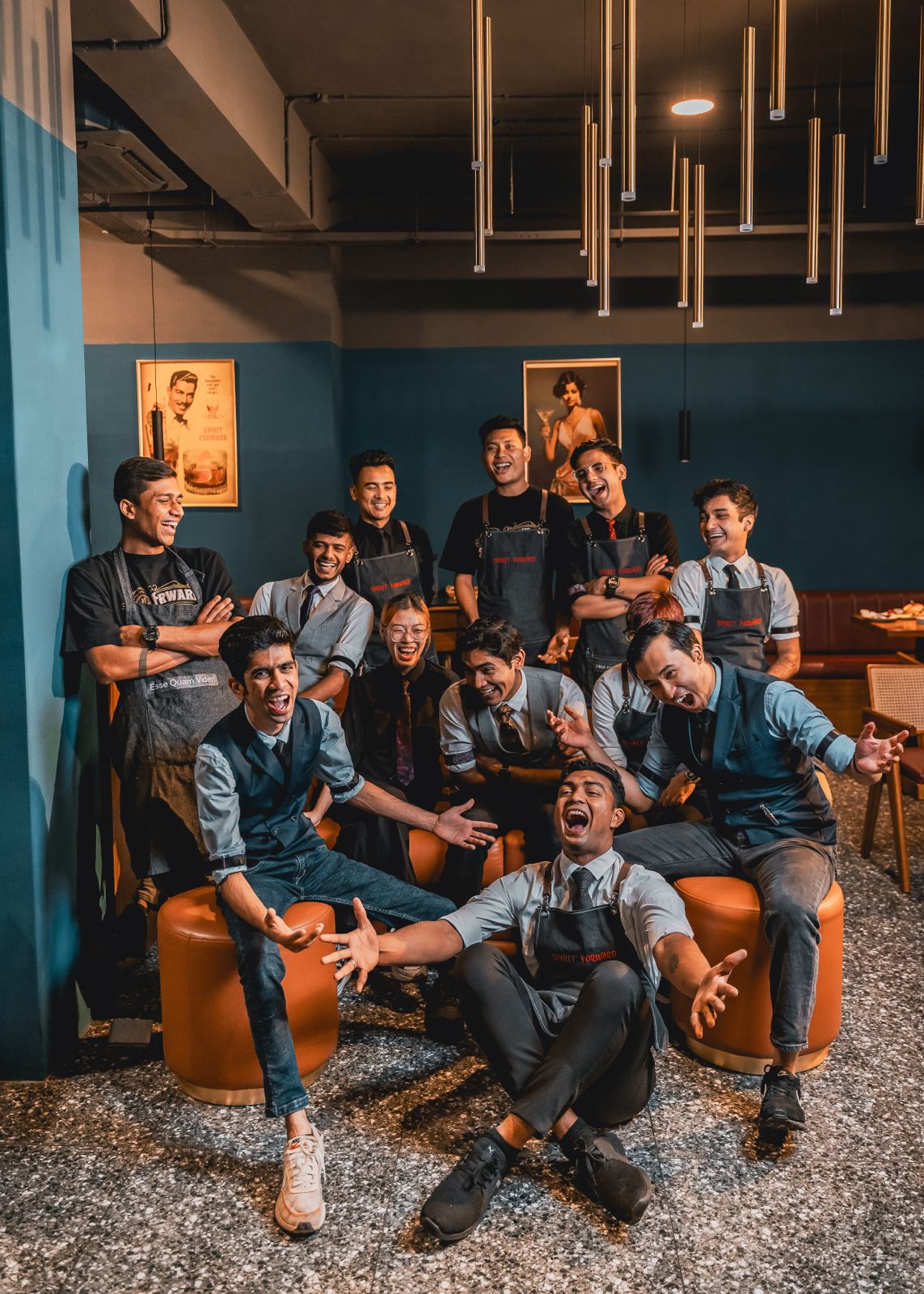
He points out that a successful bar usually feels safe, welcoming, and well run, especially for women. Staff training, hydration, speed, attentiveness, and strong floor service matter more than most realise. “Seventy percent of cocktails are sold by the floor,” he notes. Bartenders must engage with guests, read the room, and communicate, not just mix drinks.
On industry evolution, Arijit sees consolidation and acquisitions as positive signs of market maturation. Consultation has opened new career avenues for bartenders beyond traditional roles such as event catering. Today, opportunities span brand work, training, business development, and bar ownership. Consulting, he believes, is a crucial learning phase that reduces risk before opening one’s own bar.
To young bartenders, his advice is simple: slow down and learn holistically. Understand business, culture, music, art, paperwork, systems, and people, not just cocktails. Competitions and ownership can wait. Experience cannot.
To bar owners, his message is equally clear. Do not chase superstars. Focus on building strong teams. Hospitality is, at its core, a people business.
Finally, amid today’s success and renewed spotlight on Indian bartending, Arijit urges the industry to remember its darker years, the instability, compromises, and survival work that shaped it. Respecting that past, he believes, is essential to honouring the present.
Because bars, like careers, are not built overnight. They are built over time, with intention, resilience, and heart.